

Patients trust humans, not just machines, with their care.
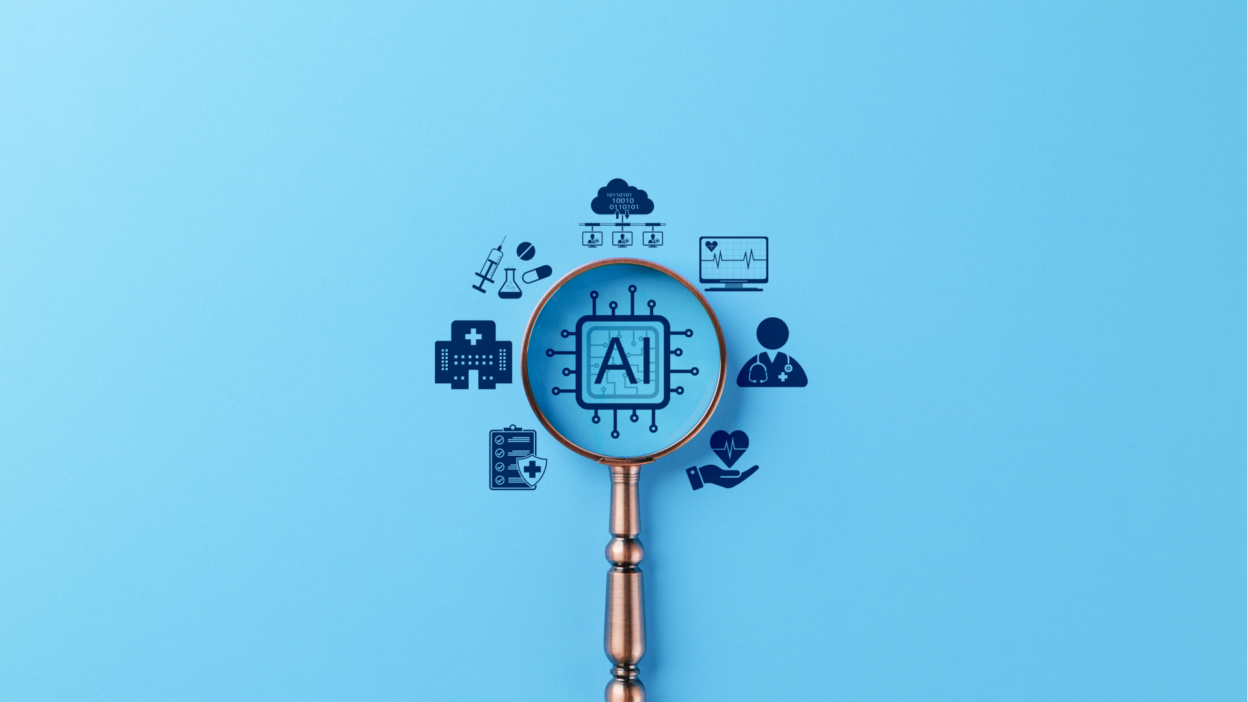
Artificial intelligence isn’t just a buzzword in healthcare anymore, it’s a daily presence, summarizing notes, flagging lab abnormalities, predicting risk, and suggesting treatment pathways. Every time a new tool arrives, it sparks the classic question: “What happens to clinical expertise?” But maybe the better question is, “What does AI expose about the very heart of clinical excellence?”
Let’s dig in, because the answers aren’t as intimidating as you might think.
Clearing the fog: AI clarifies what matters
I’ve watched AI take over tasks that once seemed to define a clinician’s expertise: remembering guidelines, spotting subtle patterns, recalling the right fact at the right moment. Machines are dazzling when it comes to pattern recognition and data crunching, they can scan thousands of test results in seconds and bring up recommendations in a blink.
But if speed and memory were the sole measures of clinical greatness, I’d be outmatched by a microchip. That’s never been what makes a clinician truly excellent.
Clinical excellence isn’t about knowing the most; it’s about knowing what matters most, for whom, and when.
- AI can spot risks, but only a clinician can determine their true significance.
- AI can pull up options, but only a human weighs the trade-offs with patient values in mind.
- AI can summarize information, but only we can translate it into meaning for a real, complex life.
Raising the stakes, not replacing the role
Here’s the real shift: AI is clearing away the tasks that once drained our mental energy. What’s left? The essence of our work, judgment, nuance, context, and connection.
I see this play out most clearly in pharmacy, where algorithms can flag drug interactions in seconds. But I’ve never met an algorithm that can judge whether Mrs. Johnson will manage a complicated medication schedule, or how her fear of side effects will influence her choices. Calculating risk scores is easy for AI. Understanding how life, family, cost, and misunderstanding can derail even the best plan, that’s where clinical judgment shines.
In the AI era, excellence will be less about hoarding knowledge and more about integrating and personalizing it. The professionals who thrive won’t be those who try to outpace machines, but those who collaborate with them, freeing up their bandwidth for what only humans can do.
Trust is human currency
Patients don’t come to us because they lack data. They come because they crave clarity. They want the uncertainty distilled, the nuance explained, the fear soothed. That’s a fundamentally human service, a relational act, not a transactional one.
AI can help us make better decisions, but it cannot replace the trust we build or the comfort we provide.
If anything, this technology is shining a brighter light on what’s always given our profession value: empathy woven with expertise, technical skill balanced with judgment, and sometimes, the wisdom to step back rather than always step in.
The mirror, not the end
When people ask if AI marks the end of professional expertise, I see it differently. AI is a mirror. It reflects the parts of our role that were always mechanical and the parts that were always meaningful.
Clinical excellence has never been about beating the machine. It’s about applying wisdom and empathy in ways machines simply can’t.
The future of healthcare doesn’t belong to those who resist technology. It belongs to those who let AI handle the predictable, routine, and repetitive, so we can focus on what only we, as humans, do best: connect, discern, and truly care.
Reflect with me
- What parts of your expertise do you see as irreplaceable?
- How can you work with technology, not against it, to bring more meaning to your daily practice?
Let’s keep this conversation going. Our value has never been clearer, let’s own it, together.
Stay ahead of healthcare shifts, clinical innovation, and future of Pharmacy