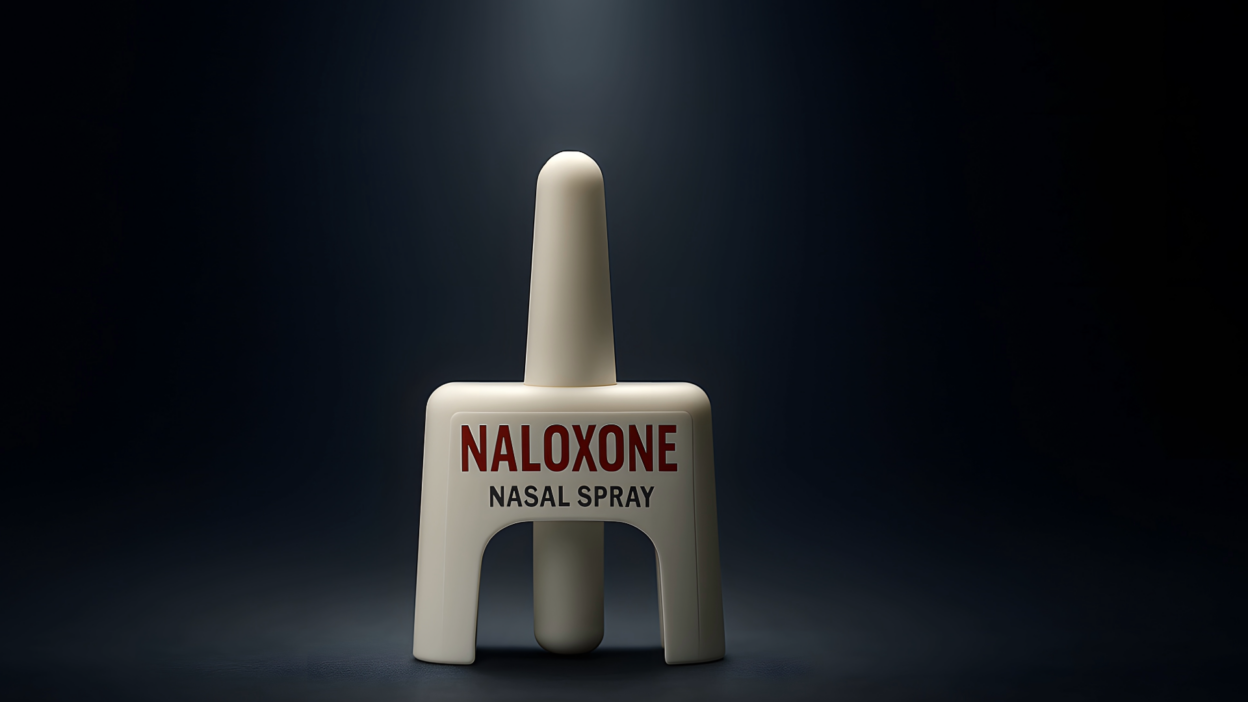
A family member finds their loved one unresponsive. Slow, shallow breaths. Lips turning blue. They reach into the kitchen drawer for the naloxone kit the pharmacist handed them six months ago. The box says Rextovy. They’ve never heard of it but the instructions are simple. One spray, one nostril. No priming, no setup.
That’s the design goal: zero friction at the worst moment. Whether Rextovy lives up to that promise, and how it stacks up against the naloxone options already on shelves, is what pharmacists need to understand.
What Is Rextovy?
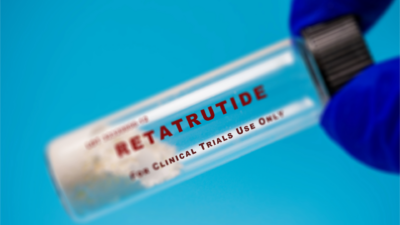
Rextovy is an intranasal naloxone product which received FDA approval and is indicated for emergency reversal of known or suspected opioid overdose in adults and pediatric patients.
The mechanism should sound familiar. It’s a competitive antagonist at opioid receptors, reversing the respiratory depression, sedation, and hypotension that define opioid toxidrome. Each unit-dose device delivers 4 mg as a single intranasal spray. Each box contains two devices.
Nothing about that will surprise a pharmacist who has dispensed Narcan. The dose is identical. The indication is identical. The alternating-nostril, every 2–3 minutes redosing protocol is identical.
Where things get clinically interesting is in the details beneath the surface.
What the Numbers Tell You
Rextovy reaches peak plasma concentration (Cmax) at roughly 32 minutes post-dose, slightly slower than the 15–30 minute Tmax typically cited for Narcan 4 mg. Bioavailability relative to IV administration lands at approximately 40.7%, consistent with the 40–50% range seen across intranasal naloxone products.
The half-life is approximately 68 minutes and that number matters more than most people appreciate. Many opioids, especially long-acting formulations and high-potency synthetics like fentanyl analogs, have durations of action that significantly exceed naloxone’s. A patient who appears reversed at 20 minutes can relapse into respiratory depression at 90 minutes.
The clinical implication here is that administering Rextovy does not close the loop. Calling 911 and maintaining continuous monitoring are non-negotiable steps, not optional follow-ups.
Where Rextovy Fits in a Three-Player Market
Currently, three FDA-approved intranasal naloxone products are on the market:
Narcan (naloxone 4 mg IN): The category reference standard. The only one with OTC status available without a prescription since September 2023. The suggested retail price for a two-dose box sits around $45.99, and the shift to OTC availability drove meaningful reductions in out-of-pocket costs, from a pre-OTC range of $90–98 down to $56–63 across pharmacy types. If community access and self-selection are the priorities, Narcan is still the default.
Kloxxado (naloxone 8 mg IN): Doubles the dose, doubles the Cmax and AUC. Designed with the fentanyl era in mind, where the concern isn’t just reaching opioid receptors but saturating them fast enough to matter. The tradeoff is real: one observational study found vomiting rates of 37.6% with 8 mg versus 19.4% with 4 mg intranasal naloxone. Acute withdrawal precipitation is more frequent and more severe. Kloxxado remains prescription-only.
Rextovy (naloxone 4 mg IN): Prescription-only, institutional and clinical-channel positioning. No published retail pricing exists in the current literature, though Amphastar’s institutional footprint suggests potential cost advantages in procurement settings. Functionally equivalent to Narcan 4 mg in dose, route, and indication.
For overdose reversal by trained first responders or in EMS protocols, Rextovy is a clinically sound option. For community lay-rescuer access (caregivers, family members, harm reduction programs) OTC Narcan remains the pragmatic answer.
The Nuances That Matter Clinically
A few warnings deserve explicit attention, because they tend to get glossed over in the rush to “give naloxone and call for help”:
Buprenorphine and partial agonists. Reversal of buprenorphine-induced respiratory depression may be incomplete. Patients on high-dose buprenorphine for OUD treatment who experience an overdose (often involving a co-ingested CNS depressant) may require higher or repeated naloxone doses, and response can be unpredictable. This is not a contraindication to trying naloxone, but it is a reason not to stop at one dose if the response is partial.
Neonates. Rextovy is not the right choice for neonates with known maternal opioid exposure. Intranasal absorption in neonates is erratic, and the fixed 4 mg dose does not allow for weight-based titration. The risk of precipitating life-threatening neonatal withdrawal is a real concern. A weight-based injectable formulation is the appropriate product in that setting.
Cardiovascular. Abrupt reversal in postoperative patients with underlying cardiovascular disease carries meaningful risk: hypertension, tachycardia, ventricular arrhythmias, and pulmonary edema have all been reported. This isn’t a concern in a community overdose setting, but it’s clinically relevant in perioperative contexts where naloxone is occasionally deployed.
The Bottom Line
Rextovy doesn’t change the pharmacology of opioid reversal. What it adds is another option. Specifically, a prescription-channel 4 mg intranasal product that may offer procurement advantages in institutional or clinical settings.
For pharmacists counseling patients and caregivers, the product choice matters less than three things: knowing naloxone is available in the home, knowing how to use it, and knowing that 911 comes right after that first spray, not instead of it.
Sources: Rextovy prescribing information (Amphastar Pharmaceuticals/IMS, FDA 2024); Saari TI et al., Clinical Pharmacokinetics 2024; Harris MTH et al., JAMA 2026; Marley GT et al., JAMA Health Forum 2024; Johnson JM et al., JAPhA 2026.