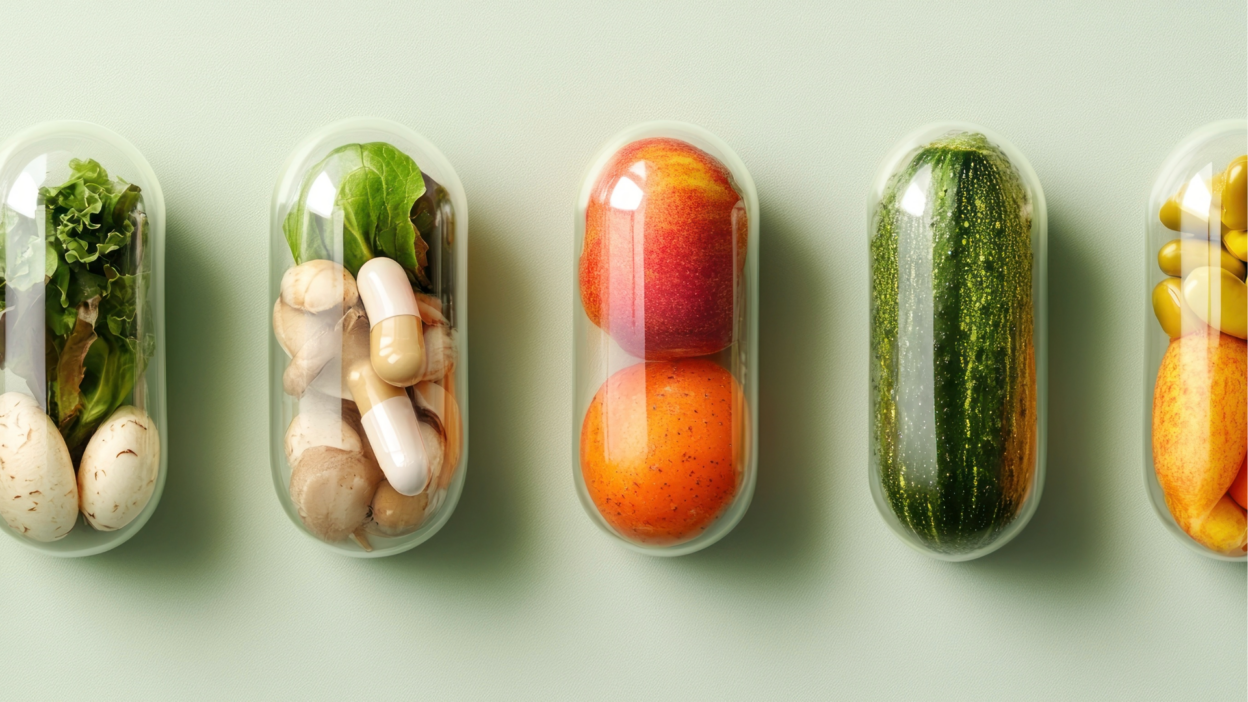
A 2026 panel of 58 health experts named Food as Medicine the second most important health trend of the year. Blue Cross Blue Shield of North Carolina published data showing medically tailored meal programs reduce healthcare costs and improve chronic disease outcomes. Hospitals are building dedicated food pharmacy programs. Dietitians are leading produce prescription initiatives in underserved communities. And patients, particularly patients from cultures where food has always been understood as medicine, are embracing the movement with genuine enthusiasm.
But Pharmacy Times published a piece this week from a practicing clinical pharmacist and digital health founder that named something the entire movement has been missing: Food as Medicine programs that don’t include pharmacist-led food-drug interaction screening are clinically incomplete. They may be doing harm they cannot see.
Food does not know what medication a patient is taking. That is the problem. And it is a pharmacist problem.
The Clinical Gaps Hiding Inside Well-Intentioned Programs
Every pharmacist reading this newsletter will recognize these scenarios immediately, because they are not hypothetical edge cases. They are the clinical risks embedded in every Food as Medicine program designed without a pharmacist at the table.
A patient with heart failure on spironolactone receives a medically tailored meal plan rich in potassium-containing foods: bananas, avocados, leafy greens, sweet potatoes. The dietitian designed the plan correctly for general cardiovascular health. Without a pharmacist reviewing that plan against the patient’s medication profile, the result could be dangerous hyperkalemia. Spironolactone is a potassium-sparing diuretic. Stacking it with a high-potassium meal plan in a patient with already impaired renal clearance creates a patient safety risk that no nutrition guideline captures.
A patient on warfarin enters a produce prescription program that features spinach, kale, broccoli, and Brussels sprouts as centerpieces of a heart-healthy dietary pattern. These foods are genuinely excellent for most patients. For this patient, the dramatic increase in dietary vitamin K can destabilize their INR, pushing them either into sub-therapeutic anticoagulation and embolic risk, or supratherapeutic anticoagulation and bleeding risk. Without pharmacist review, the first signal that something is wrong may be a hospitalization.
A patient on a monoamine oxidase inhibitor for treatment-resistant depression receives a meal plan featuring aged cheeses, cured meats, fermented foods, and red wine, all components of a Mediterranean diet pattern with excellent evidence for cardiovascular and cognitive health. In this patient, tyramine-rich foods combined with MAOI therapy can trigger a hypertensive crisis requiring emergency intervention. The dietitian following established nutritional guidance had no way to know the patient was on an MAOI unless someone with medication expertise reviewed the regimen.
These are not rare drug-food combinations with esoteric clinical significance. They represent three of the most common and highest-consequence food-drug interactions in outpatient practice. They involve drug classes prescribed to tens of millions of Americans. And they occur in the precise patient populations that Food as Medicine programs most deliberately target: patients with chronic cardiovascular disease, diabetes, and mental illness.
The Movement’s Own Recognition That Something Is Missing
The acknowledgment that pharmacists belong in this movement has arrived, driven by the clinical logic the profession has been articulating for years.
When the Milken Institute released its first Food as Medicine stakeholder map several years ago, pharmacists were notably absent, viewed as ancillary to a movement dominated by nutritionists, food systems advocates, and public health researchers. That framing has shifted materially. By 2026, pharmacists are now recognized as essential in the Food as Medicine framework.
The argument for that recognition rests on two clinical foundations that no other provider in the movement can replicate.
First, the medication expertise. No other member of a Food as Medicine care team routinely reviews the complete medication profile, understands the pharmacokinetics of food-drug interactions, and can identify the specific dietary patterns that create clinical risk for a patient on complex polypharmacy. A dietitian who is excellent at designing a plant-rich, Mediterranean-pattern meal plan for cardiovascular health does not have the pharmacology training to screen that plan against a 12-drug regimen that includes a potassium-sparing diuretic, a vitamin K-dependent anticoagulant, and an immunosuppressant with narrow therapeutic index. A pharmacist does.
Second, the access. The geographic proximity argument is not marketing language. Most Americans live within five miles of a pharmacy, and most patients see their pharmacist more frequently than any other healthcare provider. That access frequency, combined with the pharmacist’s visibility into the patient’s complete medication profile at every dispensing encounter, makes the pharmacist the natural integration point between food-based interventions and medication management.
The Clinical Framework for Food-Drug Interaction Screening
The food-drug interaction categories that every pharmacist should apply as a routine screen when a patient mentions a dietary change fall into four major domains.
Vitamin K and anticoagulants. Warfarin patients represent the highest-frequency clinical scenario. Any significant increase in consumption of vitamin K-rich foods, including green leafy vegetables, broccoli, Brussels sprouts, and certain vegetable juices, can reduce anticoagulant efficacy and push INR below therapeutic range. Any dramatic reduction, including patients starting a fad diet that eliminates vegetables, can have the opposite effect. The clinical action: when a warfarin patient mentions any dietary change, estimate the direction and magnitude of the vitamin K shift, note it in the patient’s file, and coordinate with the prescriber to adjust INR monitoring frequency. This is a standard pharmacist function that becomes more critical as Food as Medicine programs increase the frequency and intentionality of dietary change in this patient population.
Potassium and potassium-sparing medications. Spironolactone, triamterene, amiloride, and ACE inhibitors all impair potassium excretion to varying degrees. A patient on any of these medications who substantially increases dietary potassium through a produce prescription program, a DASH diet, or a plant-based eating pattern increases their hyperkalemia risk. The clinical action: for patients on potassium-sparing agents, flag any Food as Medicine enrollment for a potassium review, including serum potassium monitoring timing relative to dietary change.
Tyramine and MAOIs. Tranylcypromine, phenelzine, and selegiline are the most commonly prescribed MAOIs in outpatient settings. The tyramine interaction is potentially life-threatening: aged cheeses, cured meats, fermented foods, certain beers and wines, and overripe fruits are all tyramine-rich. Mediterranean and traditional fermented food diets, which are increasingly incorporated into Food as Medicine programs for their evidence-based benefits in cardiovascular and metabolic health, can be dangerous in this patient population. The clinical action: any patient on an MAOI who mentions starting a new dietary program receives a specific tyramine food list as part of their standard medication counseling. This is already best practice and needs no new infrastructure.
Grapefruit and CYP3A4 substrates. The mechanism is well-established: grapefruit contains furanocoumarins that irreversibly inhibit intestinal CYP3A4, increasing bioavailability of numerous medications including statins, calcium channel blockers, immunosuppressants, and certain benzodiazepines. A produce prescription program that emphasizes citrus fruits for their vitamin C and antioxidant content may include grapefruit or pomelo without flagging them for patients on affected medications. Seville oranges, often used in juices and marinades, carry the same interaction. The clinical action: any patient receiving produce prescriptions or medically tailored meal plans receives a grapefruit interaction check against their current medication list.
The Business and Referral Case for Pharmacist Participation
Food as Medicine programs are generating referral networks that most pharmacists are not yet positioned to participate in. That positioning gap is closeable.
Blue Cross Blue Shield of North Carolina’s published Food as Medicine data demonstrated healthcare cost reductions and improved chronic disease outcomes among enrolled members. BCBS-NC is not an isolated case. UnitedHealth, Humana, and regional Medicaid managed care organizations across the country are actively piloting produce prescription, medically tailored meal, and food pharmacy programs in partnership with health systems, federally qualified health centers, and community health workers.
Every one of those programs represents a potential pharmacist referral relationship. A hospital-based food pharmacy that refers patients with complex medication profiles to the clinical pharmacist for food-drug interaction screening before finalizing their meal plan is building exactly the kind of integrated care model that generates both clinical value and reimbursable coordination encounters.
The ACCESS Model, covered in the July 5 issue of this newsletter, specifically covers chronic conditions, including hypertension and diabetes, that are primary targets of Food as Medicine programs. A pharmacist embedded in an ACCESS-participating organization’s care coordination infrastructure is already positioned to receive referrals from food-based intervention programs serving the same patient population.
Your Clinical Action Starting Today
The trigger is simple and requires no new infrastructure. The next time a patient mentions any dietary change, treat it as a medication interaction review trigger, not a lifestyle conversation.
Ask two specific questions: “What are you planning to eat more of?” and “What are you planning to eat less of?” The answers generate the food-drug interaction screen. More potassium-rich vegetables in a patient on spironolactone. More fermented foods in a patient on a dietary change the profile doesn’t yet contain. More leafy greens in a warfarin patient who was previously eating a standard American diet. Less food overall in a patient doing intermittent fasting whose insulin dosing has not been adjusted.
Each of those answers is a clinical intervention waiting to be made. The pharmacist who makes it proactively prevents an adverse event. The one who doesn’t leaves a gap in a movement that is actively seeking clinical credibility.
Food as Medicine is the second most important health trend of 2026 according to the expert panel that evaluated it. The fastest-growing nutritional health movement in the country is building programs, building referral networks, and building payment models without a consistent pharmacist layer. The food-drug interaction expertise that belongs in every one of those programs sits in your clinical training.
You are the missing piece. Start adding yourself.
Sources: Pharmacy Times (The Missing Layer in Food as Medicine: Why Pharmacists Must Be at the Table, July 2026), Drug Topics (Pharmacists Help Highlight the Importance of Food Is Medicine for American Heart Month, February 2026), Food is Medicine Coalition (Annual Report and Stakeholder Map Update, 2026), Milken Institute (Food is Medicine Stakeholder Map, Original and Updated Versions), Blue Cross Blue Shield of North Carolina (Food as Medicine Program Outcomes Data, 2025-2026), Tufts Food is Medicine Institute (2026 Expert Panel Rankings: Second Most Important Health Trend), PMC (Food-Drug Interactions in Clinical Practice: A Systematic Review), Johns Hopkins Medicine (Common Food-Drug Interactions in Outpatient Settings), American College of Clinical Pharmacy (Pharmacist Role in Food as Medicine Programs, 2026 White Paper)