

The next leap: From needles to implants
GLP‑1 medicines have already changed the way we treat obesity and type 2 diabetes. What began as a specialized metabolic therapy has become a central tool for chronic disease, and millions now rely on weekly injections to manage their health.
But a new chapter is about to begin, and it’s not about another molecule. It’s about how we deliver these life changing therapies.
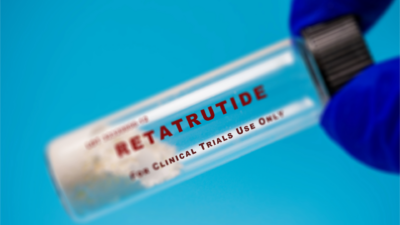
A six month GLP‑1 receptor agonist implant is now in Phase III trials. If approved, this device could reshape everything we know about chronic metabolic care.
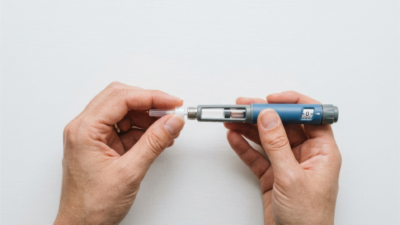
No more weekly injections. No more pens and cold chain juggling. Instead, a tiny implant, releasing medicine steadily, for up to six months. That’s just two visits a year.
What does this mean for pharmacists and pharmacy teams?
This change isn’t just about convenience. It has the potential to disrupt the care model itself.
Think about it:
- Dosing drops from weekly to semi annual.
- Patient visits and conversations shift.
- Education and reminders change.
Pharmacists have always been on the frontlines, teaching injection techniques, managing cold chain logistics, encouraging adherence, and issuing refill reminders. With an implant, those familiar touch points shrink dramatically.
But that doesn’t make us less relevant. It means our role adapts, and maybe even grows.
We’ll move from access to planning. From day to day adherence to long term monitoring. From syringes to systemic risk management and care coordination.
Four key areas pharmacists should prepare for
- Inventory and Procurement Forecast
- Semi annual dosing could mean bigger, less frequent orders, creating new challenges in predicting demand. Will the implant surge in popularity like Wegovy® or Ozempic®? History suggests it might.
- Cold Chain and Storage
- Will the implant need refrigeration before use? If so, protocols and storage capacity may need a rethink, especially in ambulatory clinics and specialty pharmacies. Now’s the time to review and update standard operating procedures.
- Cost Share and Access Counseling
- Longer acting therapy often means higher up front costs. That can lead to new insurance hurdles and patient questions. Pharmacists can help patients understand coverage, explore assistance programs, and plan for affordability, before confusion grows.
- Transition Protocols from Weekly Injections
- What happens when a patient wants to switch from weekly semaglutide to the implant? What washout is needed? Are new labs or monitoring required? Pharmacist led protocols can smooth these transitions and keep patients safe.
The big picture: More than just a new device
This isn’t just about one implant, or even GLP‑1 therapies alone. If this approach works, we could soon see depot drugs, hormone modulators, or cardiometabolic agents all delivered in ways that stretch weeks, or months, between doses.
Our job as pharmacists isn’t going away. If anything, our expertise is needed more than ever.
- Transitional counseling for patients and providers
- Long range care planning to keep everyone on track
- Medication forecasting for high cost, long interval therapies
- Safety and risk monitoring, not just for the drug, but for the whole patient experience
- Patient re-engagement strategies to prevent gaps and lapses
When therapies last longer, care gaps can widen. We’re in the perfect position to close them.
Reflect and act
Are you ready for the shift from weekly to semi annual care? What systems need updating, inventory, storage, patient education? How will your team lead conversations about cost, access, and transitions?
Now is the time to reflect, prepare, and take action. The future of metabolic therapy is about to change, not just for our patients, but for every pharmacist who supports them.
Let’s be ready before the approval lands.
Inspired by the latest trials and shifting GLP‑1 landscape. For more on Vivani’s six month implant, read the Clinical Trials Arena update.