
This isn’t a slow moving story. It’s already happened, and it’s happening faster every year.
A nationally syndicated investigation this week brought the pharmacy closure crisis back to the front page, and when you look at the numbers stacked together, they’re hard to sit with.
The Numbers Are Blunt
The rate of pharmacy closures has more than doubled in recent years, with nearly one in three pharmacies shuttering between 2010 and 2021, contributing to an unprecedented decline in the availability of pharmacies in the United States. Between 2018 and 2021 alone, the number of pharmacies declined in 41 states.
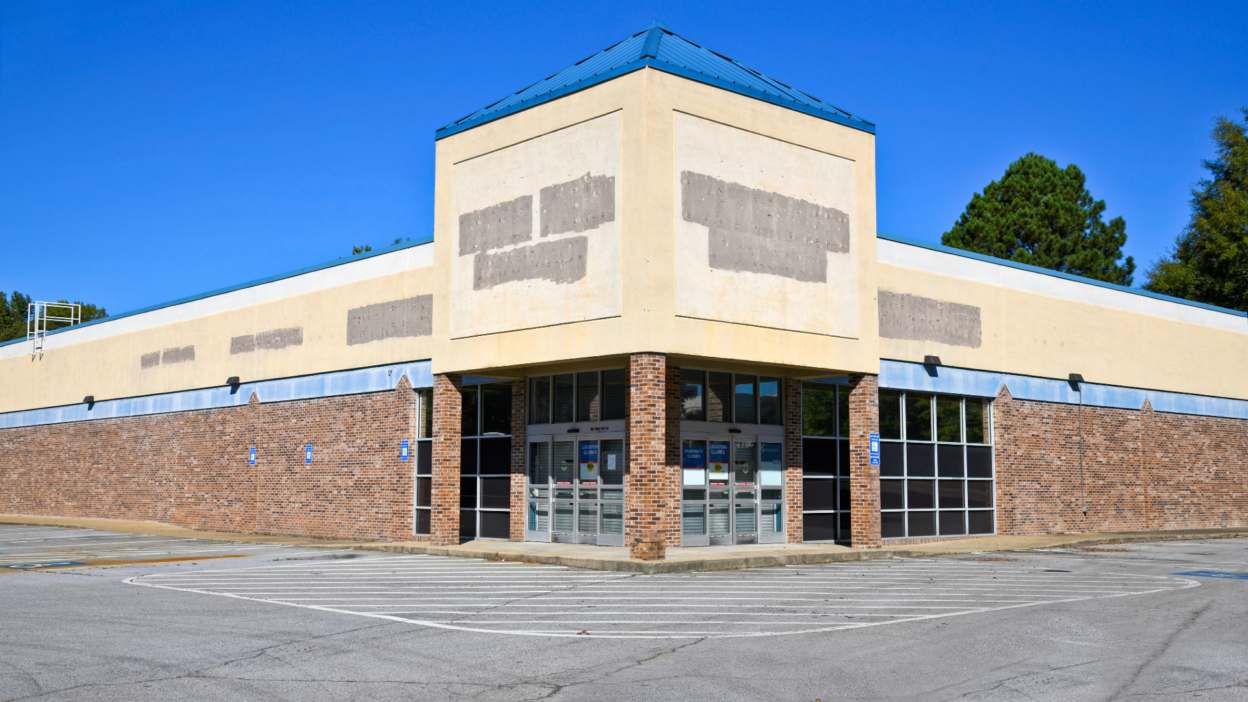
More recently, the pace has accelerated further. Since 2019, over 7,000 pharmacies have shuttered, with more than 2,200 closing in 2024 alone, averaging eight closures per day.
Nearly 45 million Americans now live in “pharmacy deserts,” places where the nearest pharmacy is more than 10 miles away. Rural communities, low-income neighborhoods, and communities of color are hit hardest.
And the closures aren’t spread evenly. At the community level, pharmacy closure rates were higher in predominantly Black and Latino neighborhoods, 37.5% and 35.6% respectively, compared to predominantly white ones. Independent pharmacies, often excluded from networks by pharmacy benefit managers, were more than twice as likely to close as chain stores.
What It Sounds Like From the Inside
One independent pharmacist who has been running his pharmacy for more than a decade described what this feels like day to day: “Every day we fill prescriptions at a loss to take care of people. I’ve appealed to the PBMs, ‘Hey, you didn’t pay me on this drug’, and in 11 years, one of the PBMs, I’ve had no reversals to say, ‘We’ll give you more money.'”
He keeps going. When asked why, he said: “Because somebody has to. It’s worth fighting for. Our patients still choose to come to us.”
That sentence captures something that no policy document or industry report quite gets at. These aren’t just businesses closing. They’re relationships ending, communities losing a trusted healthcare touchpoint, patients driving 25 miles for insulin they could have gotten around the corner.
Now There’s a Map for It
For a long time, the pharmacy desert crisis was described in anecdotes and aggregate statistics. That changed last fall when NCPA and USC put a tool in the hands of anyone who wants to use it.
NCPA, in collaboration with the University of Southern California, unveiled an interactive pharmacy shortage area mapping tool available to the general public for the first time, usable by journalists, policymakers, county health officials, community advocates, and the public to identify pharmacy shortage areas and understand access challenges in their local communities.
The tool shows that one in eight U.S. neighborhoods lack convenient access to pharmacy services, and that the issue is especially pronounced in rural and underserved urban communities. Some states and counties are experiencing shortage rates approaching 50%.
This matters because it moves the conversation from narrative to data, and data has a way of making problems harder to ignore. Users can identify pharmacies that are “critical access”, meaning their closure would create a new shortage or worsen an existing one, and track pharmacy closures and openings by state, county, and congressional district.
NCPA CEO Douglas Hoey framed it plainly: “When you lose your local pharmacy, you lose more than a place to fill prescriptions, you lose a trusted health adviser, a medication safety expert, and often the most accessible health care provider in the community.”
The Solutions That Are Already Working
The crisis is real, but this is not a story without exits. Pharmacists around the country are finding ways through, and some of those paths are clearer now than they’ve been in years.
Telepharmacy is legal in 28 states and proven to work. States that adopted telepharmacy policies have experienced a decrease in pharmacy deserts, and telepharmacies are more likely than traditional pharmacies to be located in areas of high medical need. Adopting less restrictive statutes and regulations for telepharmacy appears to be a solution to restoring pharmacy access and can support improvements in public health for underserved patients in rural and urban areas.
One Arizona pharmacist took a closed pharmacy location in a rural town and reopened it as a telepharmacy. Today, White Mountain Pharmacy cares for about 8,000 patients between its two locations. The pharmacist said simply: “All we want to do is help our patients, but we do need to stay above water.”
The clinical services model changes the math. The pharmacies most likely to survive, and thrive, in this environment are not the ones competing on prescription volume against chains and mail-order. They are the ones building revenue from clinical services: medication therapy management, point-of-care testing, GLP-1 adherence coaching, chronic disease management, and pharmacogenomics consultations. Dispensing alone is not a viable business model in 2026. A hybrid model is.
Chain closures are leaving geographic voids that independent pharmacies can fill. Given that CVS, Walgreens, and Rite Aid collectively plan to close more than 3,000 additional stores by 2027, telepharmacy is no longer an emerging option, it is an urgent necessity. Every one of those closures is a community that needs what you offer. The question is whether an independent pharmacist is ready to step into that space with a sustainable model.
Your Move This Week
Visit NCPA’s pharmacy shortage mapping tool at ncpa.org and look up your own county. Then look at the counties within 30 miles of you.
The map tells you which neighborhoods are in a shortage area right now. It tells you which pharmacies are designated as critical access, meaning their closure would create a new hole in coverage. And it tells you where the population is that has no adequate pharmacy access today.
If you’re thinking about opening a second location, expanding, or making the case to a landlord, a county health official, or a state legislator, this tool hands you the data. The communities most desperate for pharmacy access are often the same ones most responsive to a pharmacist who shows up, does the work, and builds trust.
The chains are leaving. The gaps are real. The map is there.
Sources: USC Schaeffer Center for Health Policy & Economics / Health Affairs (Pharmacy Closure Study, December 2024), NCPA (Pharmacy Shortage Area Mapping Tool Launch), WNEM / InvestigateTV (Nationally Syndicated Pharmacy Closure Investigation, April 2026), STAT News, The National Desk, Deseret News, U.S. Pharmacist (Telepharmacy Landscape, October 2025), PMC / JAMA Network Open (State Telepharmacy Policies and Pharmacy Deserts), Drug Topics