

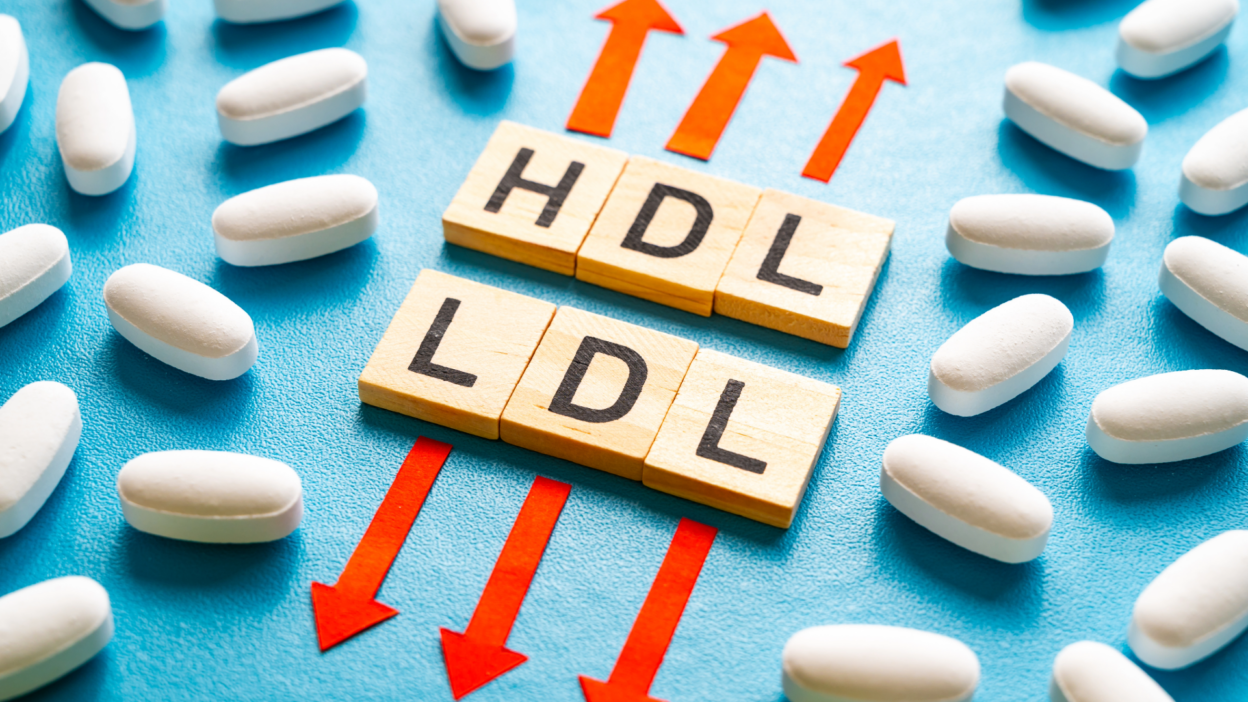
An oral pill delivers injectable-level LDL lowering, here’s why it matters.
A landmark trial just changed the lipid management conversation
If you’re a pharmacist, this is one of those moments you’ll remember. On February 4, 2026, the New England Journal of Medicine published the CORALreef Lipids trial, the first phase 3 results for enlicitide decanoate, Merck’s oral PCSK9 inhibitor. Most of your physician colleagues don’t even know what’s hit them yet. But as pharmacists, we must be ahead of the curve, our patients and prescribers will demand answers soon.
Let’s break down what happened, what it means, and, most importantly, what you need to do next.
The essentials: What did CORALreef Lipids ask?
At its core, this was a robust, global, double-blind, placebo-controlled trial, 2,909 people from 14 countries, all with elevated LDL despite previous statin therapy. Some had already suffered a major ASCVD event; others were considered high-risk. Everyone had prior statin exposure, and a quarter were also on ezetimibe.
Participants were randomized 2:1: a daily 20 mg enlicitide pill vs. placebo for 52 weeks.
The results, clear, compelling, and easy to remember
LDL drop at 24 weeks:
- Enlicitide group: –57.1%
- Placebo: +3.0%
- Between-group difference: –55.8 percentage points (95% CI, –60.9 to –50.7; P<0.001)
Other key markers: Reductions in non-HDL cholesterol, apolipoprotein B, and lipoprotein(a) were also significantly greater with enlicitide (all P<0.001).
Targets reached:
- 70.3% of enlicitide patients got LDL <70 mg/dL and ≥50% reduction
- 67.5% hit LDL <55 mg/dL with ≥50% reduction
- Placebo group: only about 1% reached these goals
Safety: Adverse events? No meaningful difference between enlicitide and placebo.
Adherence: Here’s the kicker, 97% adherence over a full year in both the enlicitide and placebo groups.
Why everyone’s missing the real story: Adherence
Doctors are buzzing about the LDL numbers, and yes, they’re impressive. But the bigger, quieter story is adherence. We know injectable PCSK9 inhibitors (evolocumab, alirocumab) and inclisiran can work wonders, but patients struggle to stick with them. Not just because of cost, but because of the injection barrier.
Enlicitide is a daily pill with injectable-level efficacy and nearly perfect adherence rates in this trial. That’s the leap we’ve been waiting for, because in the real world, an effective medication only helps if people actually take it.
Dr. Ann Marie Navar, the study’s lead author, put it plainly: Many patients still miss guideline goals despite available therapies, and enlicitide helped more reach targets than even the best siRNA approaches.
What this means for pharmacy practice, right now
Enlicitide isn’t FDA approved yet. Merck hasn’t even filed for it. But it’s coming, and the time to prepare is now. Here’s how I’m thinking about next steps, and how you can get ready:
- Identify your non-adherent PCSK9 inhibitor patients: These are your likely first adopters when enlicitide goes live.
- Master the new 2026 ACC/AHA Dyslipidemia Guidelines: Released March 13, 2026—these set the LDL targets that enlicitide is built to help patients meet.
- Be the go-to expert for prescribers: Most clinicians will know about the efficacy, but few appreciate the real-world impact of daily oral dosing on adherence.
The big question, will these dramatic LDL drops translate into fewer heart attacks, strokes, and deaths? The CORALreef Outcomes trial, now enrolling over 19,000 participants, aims to answer this by December 2029.
Let’s talk: Are you ready for the next chapter in lipid lowering?
I encourage you to review the data, reach out to your colleagues, and think deeply about your current high-risk cardiovascular patients. Who stands to benefit most? How can we smooth the transition from injection to oral therapy for those who need it?
This is more than an update, it’s a shift in how we approach lipid lowering, adherence, and patient-centered care. If you manage statin-intolerant or high-risk cardiovascular patients, this is the moment to lean in.