

From fitness tracker to essential clinical tool, here’s what’s next
The quiet evolution of wearables
I remember when fitness trackers first hit the scene. They were fun, even a little flashy, a new way to count steps or log sleep. But today, something much more significant is happening, almost quietly. Wearables are moving beyond the realm of wellness gadgets and staking their place in the core of clinical care.
The FDA now calls these devices “sensor-based digital health technologies,” or sDHTs. And that new name matters. It signals a shift: from consumer accessory to clinical infrastructure.
What are sensor based digital health technologies?
Let’s break it down. These are devices like:
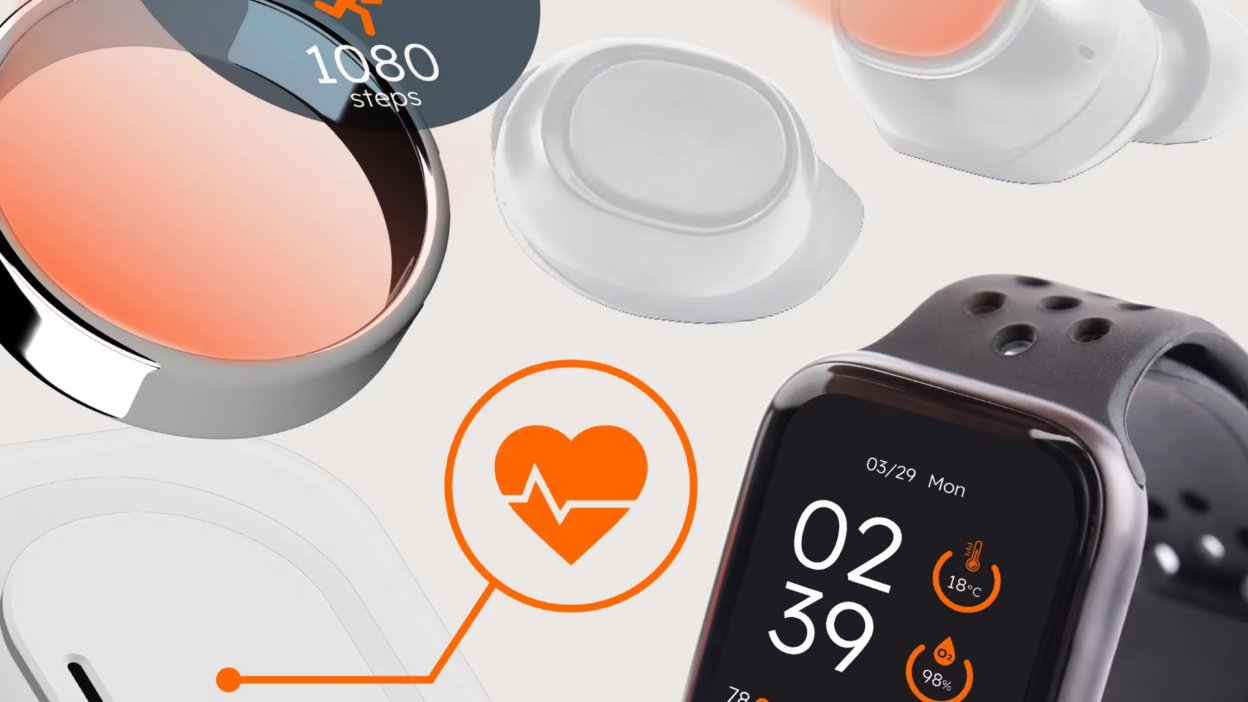
- Smart watches
- Health rings
- Biosensor patches
- Remote monitoring bands
What sets them apart isn’t just style or convenience. It’s their ability to continuously capture physiologic signals, heart rate, activity levels, sleep patterns, sometimes even ECG or blood oxygen saturation. Imagine all those tiny readings, collected day and night, painting a detailed picture of your health.
Why does continuous monitoring matter?
Traditional healthcare is built on snapshots: a single blood pressure reading during an annual checkup, a lab result every few months. It’s like seeing just one frame of a movie and trying to guess the entire plot.
Wearables change that. They offer a continuous stream of data, thousands of small moments instead of a few isolated ones. That means clinicians can spot trends, see changes as they happen, and, potentially, intervene earlier and more effectively.
Who stands to benefit?
The possibilities are both broad and personal:
- Chronic disease management: Imagine managing diabetes or heart failure with real-time feedback, not just periodic check-ins.
- Post-hospital monitoring: Patients recovering from surgery can be watched over at home, reducing unnecessary readmissions.
- Early detection: Subtle changes in the data can flag trouble before symptoms escalate.
- Decentralized clinical trials: Researchers can collect quality data from participants wherever they are.
- Remote patient management: Rural and homebound patients stay connected to their care team as if they’re right next door.
Where do we go from here?
The biggest shift isn’t just about new devices, it’s about how we use the information they provide.
We’re moving toward a world where clinicians won’t just interpret lab results, but also streams of real-time physiologic data. This integration into clinical workflow is the real leap forward. It challenges us to rethink old habits, ask new questions, and prepare for a future where care is both proactive and deeply personalized.
Reflect and engage
If you’re a clinician:
- How would continuous data streams change your daily practice?
- Where do you see the biggest risks and opportunities?
If you’re a patient or caregiver:
- How comfortable would you feel sharing data from a wearable with your doctor?
- What privacy or trust concerns would you want addressed?
Let’s keep the conversation going. The future isn’t just about new devices, but about building trust, understanding, and better health, one data point at a time.
Sources: FDA Digital Health Center of Excellence: sensor-based digital health technology guidance.