
Chikungunya vaccine suspension sends ripples through pharmacy sector
A sudden turn for Ixchiq
If you’re a pharmacist, provider, or public health leader, you’ve likely followed the journey of Valneva’s chikungunya vaccine, Ixchiq, with keen interest. The FDA’s decision to suspend its license, and halt all U.S. shipments and sales, is more than a regulatory footnote, it’s a defining moment for pharmacy, patient trust, and how we communicate risk in a changing world.
What is Chikungunya?
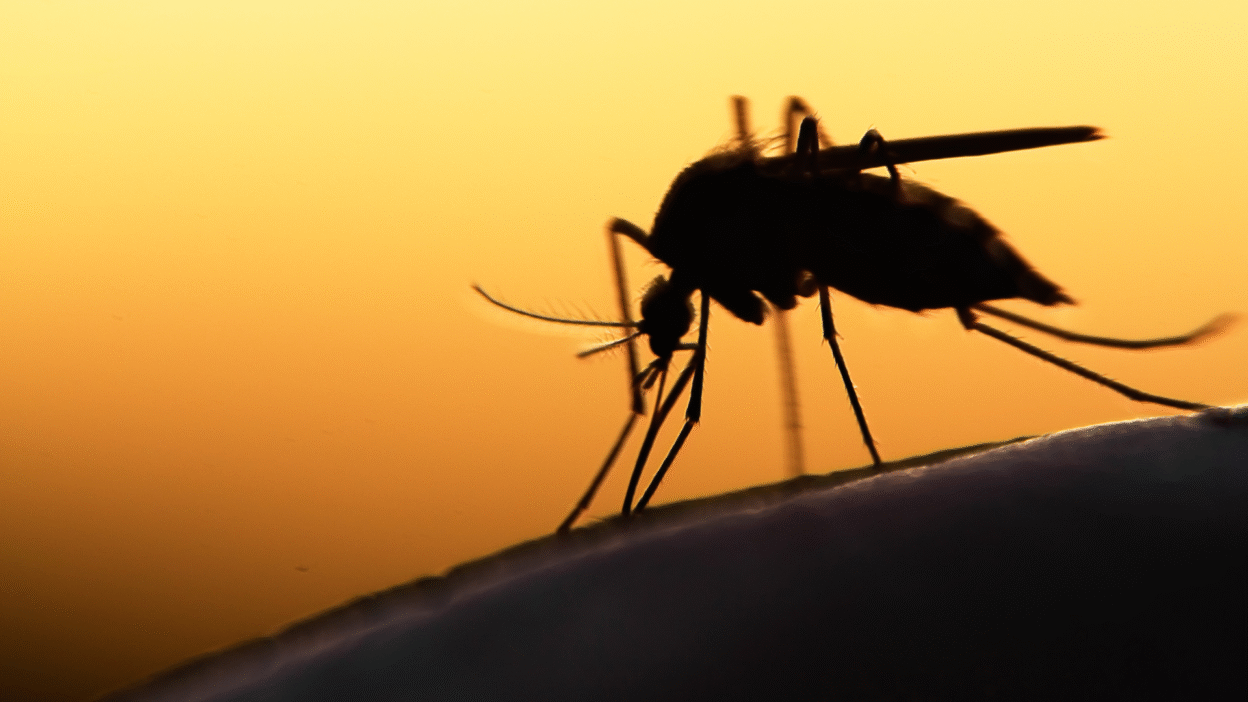
Chikungunya is a mosquito borne viral illness spread by Aedes mosquitoes, the same species that transmits dengue and Zika.
- Onset: Symptoms start 3–7 days after an infected bite.
- Key symptoms: High fever, rash, fatigue, nausea, and especially severe joint pain, the most recognizable hallmark. Pain can linger for weeks to months, sometimes years.
- Severity: Rarely fatal, but the joint and muscle pain can be debilitating.
- Global spread: Since 2004, outbreaks have surged across Asia, Africa, Europe, and the Americas. Over 3.7 million cases were reported in the Americas between 2013–2023.
- Treatment: No antiviral cure exists. Supportive care is the only option. That’s why vaccination and mosquito control are critical tools for prevention.
What happened?
Ixchiq, a live chikungunya vaccine, received FDA approval in late 2023 for adults at risk. But recent weeks brought troubling news: four new serious adverse events (SAEs) outside the U.S., all in adults aged 55–82, including one brief hospitalization. These symptoms, a chikungunya like illness, weren’t entirely new. In fact, they echoed patterns seen in clinical trials, often in older adults with complex health histories.
The FDA’s action, however, was shaped by numbers and stories that are hard to ignore:
- Over 20 reported serious adverse events, including 21 hospitalizations and 3 deaths
- One death caused by encephalitis directly linked to the vaccine strain
- Clinical benefits not yet confirmed in ongoing studies
The result? The FDA concluded that, for now, the risks outweigh the benefits.
Why does this matter for pharmacy and public health?
Let’s step back. As pharmacists, we’re often the bridge between innovation and everyday patient care. The Ixchiq suspension puts us at the heart of some big, timely questions:
- Vaccine trust in flux: How do we maintain patient confidence when the narrative shifts so quickly? Are we prepared to answer renewed skepticism about vaccine safety and efficacy?
- Balancing global and local: The U.S. market is closed to Ixchiq, but Valneva continues supplying it to countries fighting chikungunya outbreaks. Should the same evidence lead to different decisions based on geography?
- Frontline education: With mosquitoes expanding their reach due to climate change, chikungunya risk is only rising. Patients will turn to us to explain symptoms, prevention strategies, and what “safe and effective” really means in an evolving landscape.
The bigger picture: Lessons for today and tomorrow
Ixchiq’s U.S. sales were modest, 7.5 million in early 2025, largely for outbreak response. But the symbolism is enormous. The path from scientific innovation to public trust is fragile, and every setback is felt widely.
This story challenges us to:
- Strengthen real time pharmacovigilance: How quickly can we spot, and respond to, new safety signals?
- Communicate transparently: Patients deserve honest, nuanced conversations about risks and benefits, especially when evidence is still emerging.
- Stay adaptable: As infectious disease threats increase, our readiness to pivot with regulatory changes will define our role and our impact.
Reflect
How are you preparing your pharmacy team for tough conversations about vaccine safety? What strategies have helped you build trust with worried patients in uncertain times?
Let’s continue to be the voice of clarity, compassion, and evidence for our communities, even when the path forward is anything but simple.
References
Valneva SE. (2025, August 25). Valneva announces suspension of FDA license for Ixchiq following new safety reports [Press release]. Valneva. https://valneva.com
U.S. Food and Drug Administration. (2025). Vaccine Adverse Event Reporting System (VAERS): Overview. https://vaers.hhs.gov
World Health Organization. (2023). Chikungunya – fact sheet. https://www.who.int/news-room/fact-sheets/detail/chikungunya
Pan American Health Organization. (2023). Chikungunya in the Americas – epidemiological update. https://www.paho.org/en/topics/chikungunya
Centers for Disease Control and Prevention. (2024). Chikungunya virus: Clinical and epidemiological information. https://www.cdc.gov/chikungunya