

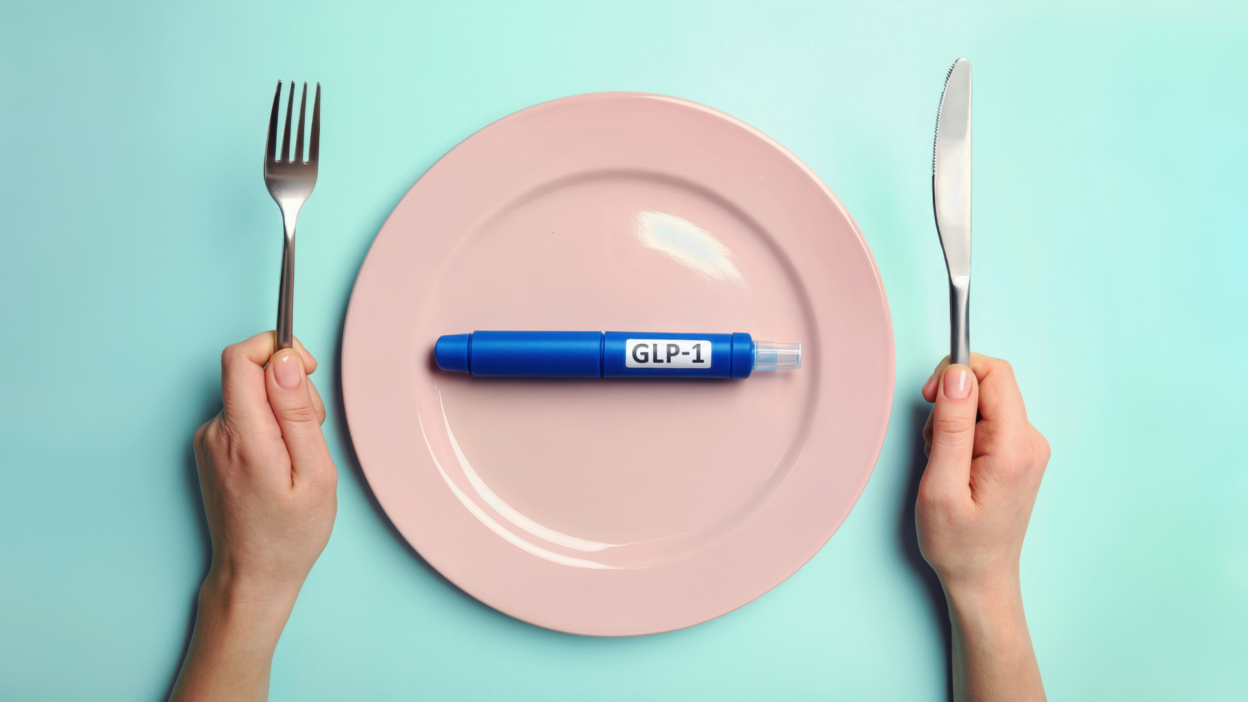
This week at the APhA Annual Meeting 2026 in Los Angeles, the GLP-1 conversation evolved significantly, and pharmacists are at the center of it
We’re seeing a major shift in obesity treatment. In the past few months, new GLP-1 options have arrived, major studies have been published, and one truth stands out: the medication alone isn’t enough. The real results come from the support programs built around it, programs led by pharmacists.
Here’s what you need to know, and why your role is essential right now.
New oral GLP-1s
A game changer for patients Until recently, GLP-1s were only available as weekly injections, limiting access for many. That’s changing fast.
- Oral Wegovy (semaglutide) launched in January 2026. In a 64 week clinical trial, patients taking the pill lost about 17% of their body weight, compared to 3% with a placebo. Most achieved at least 5% weight loss.
- Foundayo (orforglipron) was approved in April 2026. Unlike oral semaglutide, orforglipron doesn’t require fasting or complicated instructions, patients can take it with or without food, at any time.
Notably, fewer than 1 in 10 people who could benefit from a GLP-1 are using one, often due to access, stigma, or complexity. Easier to use oral options could open the door for many more.
How effective are these meds? In a large trial, those on the highest dose of orforglipron lost 12% of their body weight, over 27 pounds, versus just 2 pounds with placebo. The oral GLP-1 era is here, and these drugs are now part of everyday pharmacy practice.
The data is clear
Adherence drives results If you’re building a GLP-1 program, consider this: A study tracking over 50 million people found GLP-1 users had a 44% lower risk of hospitalization from major heart problems. There were also drops in claims for pneumonia, osteoporosis, and substance use disorders.
But here’s the key: patients who stuck with their medication saw the biggest benefits and the slowest rise in healthcare costs. Consistent adherence is where pharmacists make a real difference.
Today, pharmacy led programs like Evernorth’s EnReachRx offer support for GLP-1 users, from checking in with patients to working with prescribers on side effects or adherence issues.
New risks
What pharmacists need to watch for GLP-1s are promising, but as more patients use them long term, new challenges are emerging. Pharmacists are in a unique position to spot and address these risks:
- Nutritional deficiencies: Many patients experience reduced appetite, nausea, or changes in food choices, leading to low intake of iron, B12, vitamin D, calcium, or thiamine. Unlike bariatric surgery, there are no standard guidelines for screening. Recent research confirms these deficiencies are real and can worsen over time.
- Muscle loss: Studies show up to 13% lean mass loss during GLP-1 therapy, about 1 in 4 pounds lost is muscle, not fat. This is more than from aging alone. The best defense? A high-protein diet and regular resistance training.
Building a pharmacist led GLP-1 program
The message is simple: the prescription isn’t enough. Ongoing support is what makes the difference. Here’s a practical framework you can use:
- Medication counseling: Review injection or oral instructions, including fasting if needed.
- Side effect management: Proactively address nausea, vomiting, and constipation, these are common reasons patients quit.
- Nutritional monitoring: Screen for and address nutrient deficiencies, especially within the first year.
- Muscle preservation: Discuss protein goals and the importance of strength exercises with every patient.
- Adherence tracking: Monitor for drop-off risks and intervene early, adherence is key to success.
The big picture
We now have two new oral GLP-1s, data showing a 44% drop in major cardiovascular events, and growing awareness of nutritional and muscle health risks. This isn’t a passing trend; it’s a new era in chronic disease care.
Patients need guidance, someone who understands the meds, monitors their risks, and supports their journey. That someone is you.
Are you ready to lead? The pharmacists who step up now will be the ones their communities rely on tomorrow.
What steps can you take today to strengthen your GLP-1 support program? How will you help your patients see the full benefit of these new therapies? Let’s move forward, together.
Sources: Applied Clinical Trials Online, Novo Nordisk (OASIS 4 press release), AJMC, Eli Lilly (Foundayo approval press release), Patient Care Online, MedCity News, Pharmacy Times, Aon (April 2025 & January 2026 GLP-1 Reports), CNBC, PubMed / Clinical Obesity (Urbina et al. 2026), Nature / International Journal of Obesity (Spreckley et al. 2026), Medscape, American Journal of Clinical Nutrition (Nutritional Advisory 2025)