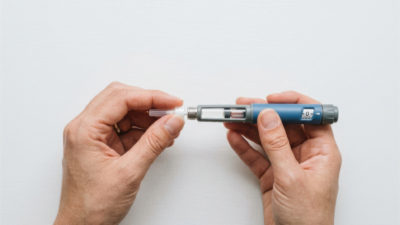


Imagine needing an injection once a month to manage a chronic condition, but every appointment requires you to remain at a healthcare facility for at least three hours afterward.
For some patients receiving long-acting injectable olanzapine for schizophrenia, that has been part of treatment for years. Even after the injection is complete, patients must remain under observation because of a rare but potentially serious adverse reaction.
Now, nearly three decades after olanzapine first became available, a new formulation could make treatment considerably more convenient. On October 9, 2026, Teva announced FDA approval of Weltruza (olanzapine), a once-monthly subcutaneous injection for adults with schizophrenia. Unlike the older injectable formulation, Weltruza does not require routine three-hour post-injection monitoring.
It’s an interesting development because the active medication hasn’t changed. The innovation is in how it’s delivered.
Why Did the Older Injection Require Three Hours of Monitoring?
Olanzapine is a well-established antipsychotic used to manage schizophrenia. Although it’s available as a daily oral medication, long-acting injections offer another option for patients who benefit from less frequent dosing.
However, the older injectable formulation, Zyprexa Relprevv, comes with an important safety concern called post-injection delirium/sedation syndrome (PDSS). This rare reaction occurs when unexpectedly high amounts of olanzapine enter the bloodstream, potentially causing severe sedation, confusion, and symptoms resembling an overdose.
Because of this risk, patients receiving Zyprexa Relprevv must remain at a certified healthcare facility for at least three hours after every injection. They also need someone to accompany them home. For patients, caregivers, and healthcare facilities, those requirements can make a routine medication appointment much more complicated.
What Changed With Weltruza?
Weltruza uses a different drug-delivery technology called SteadyTeq, which gradually releases olanzapine after a subcutaneous injection into the abdomen. The formulation maintains medication exposure over approximately one month without requiring a loading dose or supplemental oral olanzapine.
The FDA approval was supported by the Phase 3 SOLARIS trial, which demonstrated improvements in schizophrenia symptoms among adults receiving monthly Weltruza. One particularly important finding was that no cases of PDSS were reported during the clinical development program. However, that does not establish that the risk is zero.
Based on the available evidence, Weltruza does not carry the routine three-hour post-injection observation requirement associated with Zyprexa Relprevv. That could make a meaningful difference for patients who previously faced lengthy appointments, transportation challenges, or difficulty accessing facilities equipped to administer the older injection.
The Medication Is Still Olanzapine
While the delivery system is new, the familiar safety considerations remain. Weltruza can still cause weight gain, sedation, and metabolic changes, including elevated blood glucose and abnormal lipid levels. Common adverse reactions reported in clinical studies included weight gain, sleepiness, headache, constipation, and injection-site reactions.
Patients still need appropriate monitoring, and the medication must be prepared and administered by a healthcare professional. The new formulation also raises practical questions about transitioning patients from oral olanzapine, selecting the appropriate monthly dose, coordinating injection appointments, and maintaining continuity of treatment.
These are areas where pharmacists can play an important role.
A Bigger Lesson in Pharmaceutical Innovation
Medication adherence is a major consideration in schizophrenia treatment. Interruptions in therapy can increase the risk of symptom recurrence and hospitalization, which makes convenient, sustainable treatment options especially valuable.
Weltruza may help reduce some of the logistical barriers associated with long-acting olanzapine treatment. Whether that translates into better adherence and long-term outcomes will need to be established through real-world experience.
Still, this approval illustrates something interesting about the future of medicine.
We tend to associate pharmaceutical breakthroughs with entirely new molecules, new mechanisms of action, or treatments for previously untreatable diseases. But meaningful innovation can also come from improving medications that have been available for decades. In this case, researchers took a familiar antipsychotic and developed a delivery system that may eliminate hours of routine observation from a patient’s treatment experience.
Olanzapine has been around since 1996. Nearly 30 years later, there is still room to improve how patients receive it. And that may be one of the more overlooked opportunities in drug development: making effective treatments easier to live with.
Sources
U.S. Food and Drug Administration. Weltruza (olanzapine) for Extended-Release Injectable Suspension: Prescribing Information. October 2026. FDA prescribing information.
Teva Pharmaceuticals. Teva Announces U.S. FDA Approval of Weltruza (Olanzapine) for Extended-Release Injectable Suspension. October 9, 2026. Teva announcement.
McGovern G. FDA Approves First Once-Monthly Subcutaneous Olanzapine LAI for Adults With Schizophrenia. Pharmacy Times. October 12, 2026. Pharmacy Times.
Grossi G. FDA Approves Once-Monthly Subcutaneous Olanzapine for Schizophrenia. American Journal of Managed Care. October 9, 2026. AJMC.