
The first oral HAE rescue puts relief in your pocket
Changing the Face of HAE Treatment: One Tablet At a Time
Imagine living with a rare, unpredictable, and potentially life threatening condition, knowing that your best defense against attacks has always involved needles, infusions, and specialized clinics. This is life for patients with hereditary angioedema (HAE). For years, “on demand” meant scrambling for an injectable, waiting for access, and hoping help arrived before symptoms escalated.
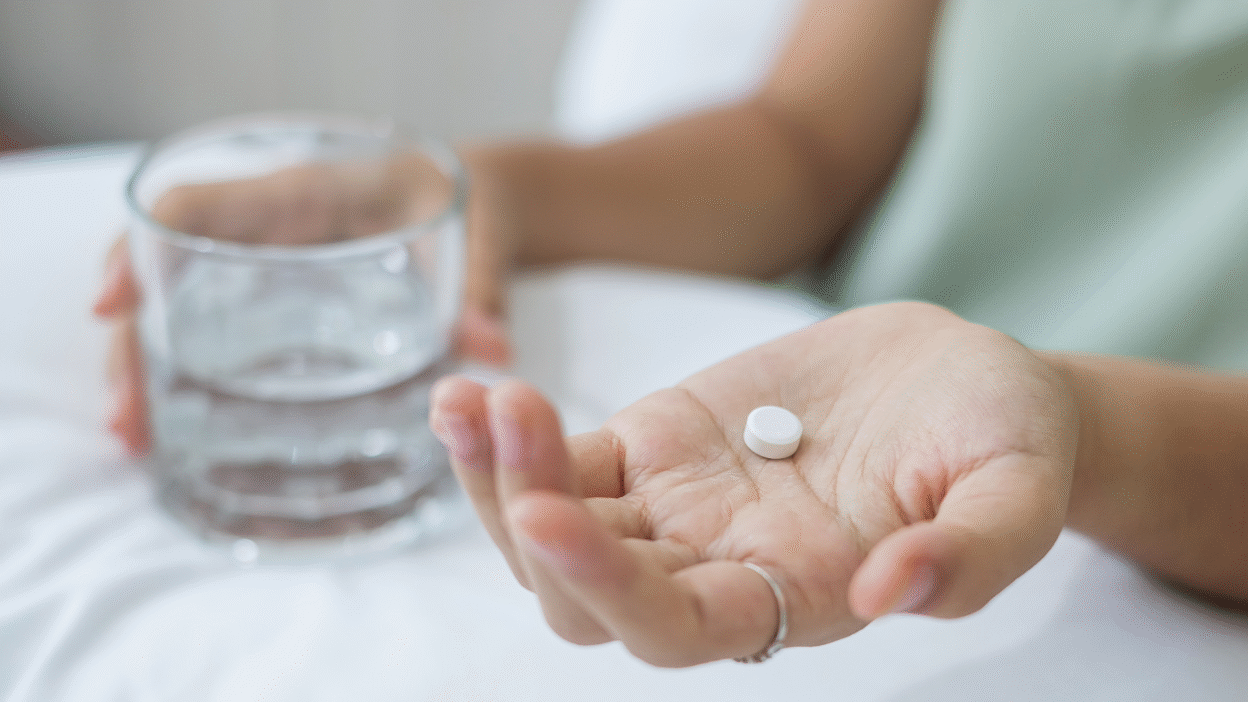
Now, that landscape has changed. On July 7, 2025, the FDA approved sebetralstat (Ekterly) as the first and only oral, on demand treatment for acute HAE attacks in patients 12 and older. For the first time, fast, powerful HAE relief can fit in your pocket.
Why Does Ekterly Matter?
Let’s get specific. Before Ekterly, every FDA approved on demand HAE treatment in the U.S. required intravenous or subcutaneous administration, no small feat during an attack. Even with preventive therapies available, most people with HAE face unpredictable episodes and need immediate, reliable access to rescue medication.
Ekterly breaks that pattern.
- Decentralizes care: No more hunting for a clinic or dealing with injection anxiety. You can self carry and self treat, whether you’re at school, work, or halfway across the world.
- Faster symptom relief: In the phase III KONFIDENT trial, patients using Ekterly reported faster symptom improvement and better attack resolution compared to placebo, with a safety profile similar to a sugar pill.
- Empowers early action: Open label studies showed people treated within minutes of symptom onset (often in less than 10 minutes).
How would having relief at your fingertips change your confidence, your travel plans, or your everyday routine?
Using Ekterly: What you need to know
Here’s the practical, label-directed guidance:
- At the first sign of an attack: Take 600 mg (two 300-mg tablets) at once.
- If symptoms persist or worsen after 3 hours: Take a second dose (max 1,200 mg per 24 hours).
- Packaging & storage: Child resistant blister cards; room temperature.
- Always have a full supply: Whether you’re at the gym, work, or on vacation, keep a full carton with you. Log every attack and dose. You and your doctor will use this information to refine your plan.
Create a clear action plan.
- When to dose (at first sign)
- When to take a second dose
- When to seek emergency care (especially for airway symptoms)
Tip: Double check insurance coverage and keep a backup pack to avoid gaps.
What About Drug Interactions
Ekterly is a CYP3A4 substrate. This means other medications can increase or decrease its levels in your body:
- Avoid strong CYP3A4 inhibitors (e.g., itraconazole): These can dangerously increase Ekterly exposure. Use an alternative for acute attacks.
- With moderate inhibitors (e.g., verapamil): Start with 300 mg; you can repeat once after 3 hours if needed.
- Avoid moderate/strong inducers (e.g., efavirenz, phenytoin): These can lower Ekterly effectiveness.
- If your doctor starts or changes any strong/moderate CYP3A drug: Always check with your pharmacist before using Ekterly for an attack.
Special Situations: Dose Adjustments
Moderate liver impairment: Use 300 mg (may repeat after 3 hours)
Severe liver impairment: Avoid Ekterly
What Should Clinicians and Pharmacists Do Now?
- Update action protocols: Include oral sebetralstat and add a CYP3A check box in every attack plan.
- Train urgent care and ED staff: Some patients may self dose before arrival. Timing and documentation are key, especially for airway attacks.
- Counsel thoroughly: Emphasize self carry, repeat timing, interaction risks, and clear escalation steps.
The Bottom Line
Ekterly (sebetralstat) has ushered acute HAE care into a new, accessible era. One that puts real control directly in patients’ hands. But a medicine is only as effective as the plan, preparation, and partnership behind it.
Are you ready to update your protocols, educate your team, or rethink your personal action plan? Let’s keep the conversation going. Every step toward clarity and early action saves time, reduces anxiety, and could save a life.