

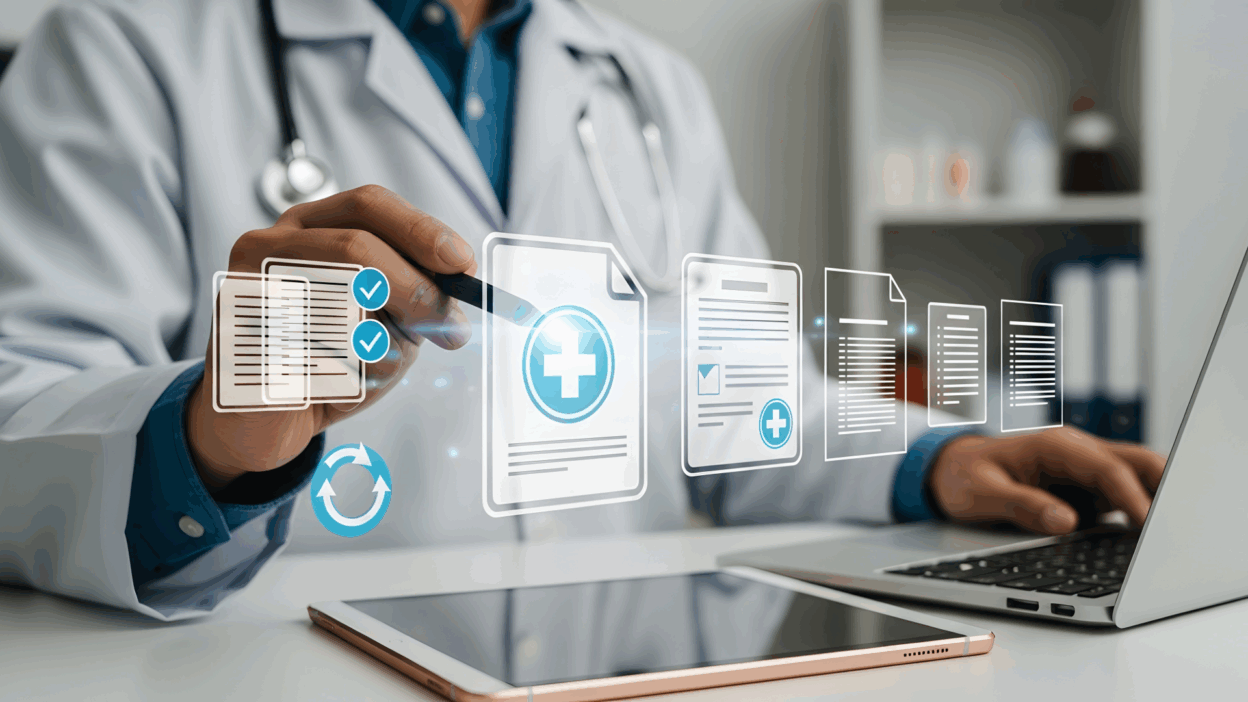
Pharmacies can fuel better healthcare with richer data
Rethinking the role of the pharmacy
When most people in healthcare talk about interoperability or TEFCA (Trusted Exchange Framework and Common Agreement), the focus tends to drift to hospitals, health systems, and electronic health record (EHR) vendors. Pharmacies? Too often, we’re afterthoughts, seen more as endpoints for dispensing medication data than as essential partners.
But what if we flipped that script? What if community pharmacies, often the most accessible clinical touchpoints in our neighborhoods, became distributed data collection hubs, actively shaping the future of population health? I believe the potential here is enormous.
More than a stop for prescriptions
Think about it: community pharmacies are where patients show up most frequently. They bring in wearable data from smartwatches, results from point-of-care screenings, and daily health updates that rarely make it into their medical records. Imagine layering in environmental data, real-time medication adherence, or at home diagnostic results.
Suddenly, the corner pharmacy isn’t just a “dispensing stop.” It’s a wellspring of real world health insights, data that tells a richer story than hospital records alone ever could.
Why this matters for population health
Population health models are only as robust as the data they use. Right now, these models lean heavily on hospital and insurance claims data, sources that capture acute events, but miss what’s happening between them.
Here’s where pharmacists can close that gap. Consider these scenarios:
- A pharmacy technician logs a patient’s blood pressure readings over time, alongside medication changes.
- A pharmacist pairs in-pharmacy A1C screening results with wearable activity data, revealing early trends in diabetes risk.
These aren’t futuristic ideas, they’re practical, and small pilots are already underway. The difference? The data we collect at the pharmacy is both frequent and contextual. It can signal risk earlier, prompt timely interventions, and ultimately drive better health outcomes.
Bringing pharmacies into the digital health conversation
For pharmacists, this shift is about more than embracing new technology. It’s an invitation to step fully into the digital health ecosystem. We become more than medication experts, we become trusted, high touch data collectors, essential to coordinated care.
Of course, this vision comes with real challenges:
- Data infrastructure: Pharmacies need platforms that allow secure, seamless data sharing with hospitals, payers, and providers.
- Reimbursement: Data collection can’t just be “extra work.” It needs to be recognized and reimbursed, tied directly to outcomes.
The ripple effect: Why everyone benefits
When pharmacies are plugged into the larger data loop, everyone stands to gain:
- Employers and payers get more complete data sets, leading to better risk assessment and smarter resource allocation.
- Patients experience more personalized, coordinated care, where their blood pressure reading at the pharmacy doesn’t exist in a vacuum.
- Clinicians see the bigger picture, not just snapshots from isolated encounters.
A call to center pharmacies in health data conversations
Pharmacy has always been a trusted anchor in the community. Now, we can anchor digital health as well, capturing everyday insights that strengthen care for everyone.
So, I’ll leave you with a question:
What would our health system look like if every community pharmacy became a vital data engine, not just a dispensing stop?
If you’re a pharmacist, policymaker, or health IT leader, I encourage you to open a conversation about the next step. Let’s move pharmacies from the edge to the center of our interoperability efforts.
Are you ready to see your pharmacy as more than a place for pills, but as a pulse point for better health? I invite your thoughts, stories, and ideas below.
Let’s keep the dialogue going, because the future of population health depends on it.