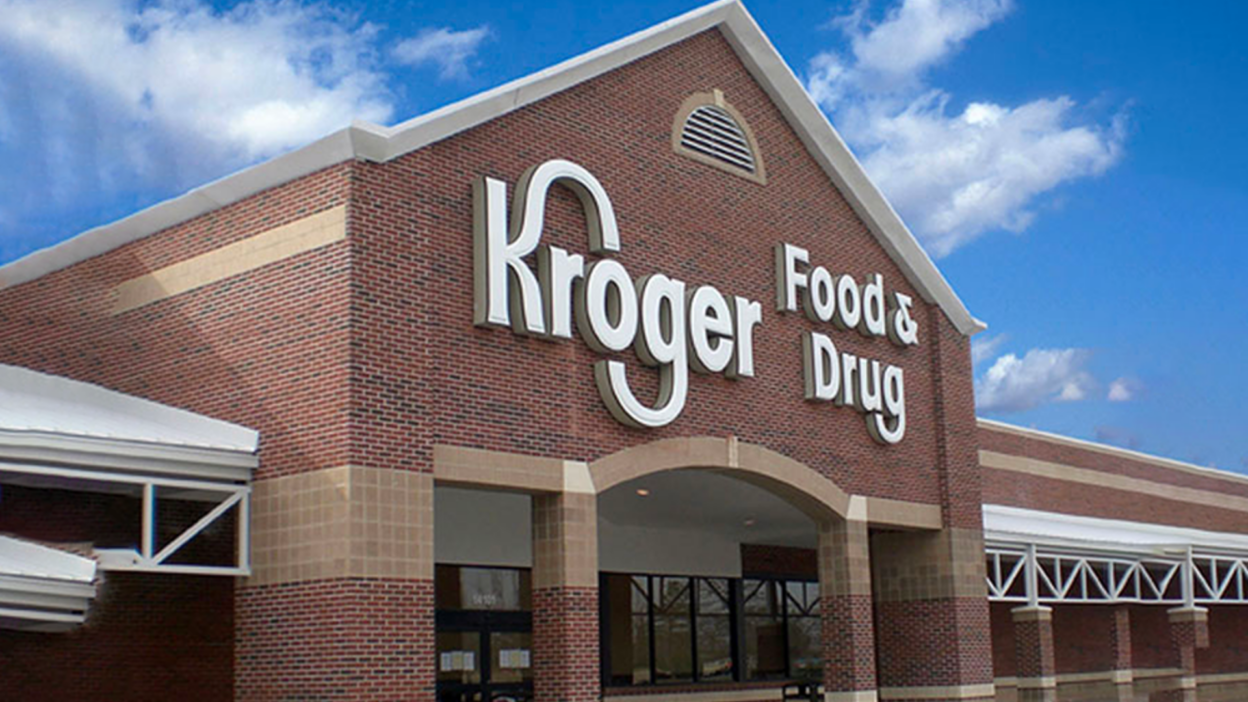
On July 1, 2026, the same day the Medicare GLP-1 Bridge launched, Kroger and Giant Eagle announced a $1.65 billion acquisition that adds 11 standalone pharmacies and pharmacy operations inside 197 supermarkets to Kroger’s already substantial healthcare footprint. The transaction, unanimously approved by Kroger’s Board of Directors, represents one of the largest grocery and pharmacy acquisitions of the year.
What the Deal Actually Is
The Kroger Company will acquire Giant Eagle, Inc. for $1.25 billion in cash plus the assumption of approximately $400 million in outstanding liabilities. Giant Eagle is a family-owned grocery and pharmacy retailer that generates approximately $9 billion in annual sales across northern Ohio, western Pennsylvania, West Virginia, Maryland, and Indiana.
Giant Eagle operates 197 supermarkets and 11 standalone pharmacies. The standalone pharmacies are the acute pharmacy story inside this transaction. These are not small prescription counters tucked into the corner of a grocery store. They are the anchor pharmacy locations serving communities in markets where Giant Eagle has built decades of patient relationships.
Both companies have stated no plans to close stores or eliminate frontline jobs. Giant Eagle will continue to operate under its own name and banner, maintain its headquarters in Cranberry Township, Pennsylvania, and run its Giant Eagle Supermarket, Giant Eagle Pharmacy, and Market District brands as a division of Kroger, similar to how Kroger operates its other regional divisions. The myPerks loyalty program will continue.
Kroger CEO Greg Foran described the strategic logic directly: “Giant Eagle is a well-run, high-quality regional grocer with a strong reputation for fresh products, pharmacy, private label and customer loyalty. We evaluated the opportunity carefully, and the strategic fit is clear. Giant Eagle expands our reach into attractive adjacent markets, allowing us to do what we do best: run outstanding stores, deliver fresh foods and convenient meal solutions at affordable prices, and take care of our customers and associates every single day.”
The Pharmacy Consolidation Pattern This Continues
The Kroger-Giant Eagle transaction follows a pattern this newsletter has tracked throughout 2026. Supermarket and big-box retail channels are expanding pharmacy presence while standalone chain pharmacies close underperforming locations. The net effect on access varies entirely by geography, and that variance is precisely the analytical lens every pharmacist in affected markets needs to apply.
The broader pharmacy closure and consolidation context matters here. This newsletter covered the pharmacy desert crisis earlier this year: 7,000-plus pharmacy closures since 2019, with over 2,800 in 2024 alone, averaging eight closures per day. The USC and NCPA research showing 45 million Americans in pharmacy deserts. Walgreens closing 1,200 stores by 2027. Rite Aid fully closed.
Against that backdrop, Kroger’s acquisition of Giant Eagle’s pharmacy operations moves in the opposite direction in certain markets. Northern Ohio, western Pennsylvania, and western Maryland communities served by Giant Eagle pharmacies will now have those pharmacies backed by Kroger’s purchasing scale, supply chain infrastructure, and pharmacy benefit relationships. For patients in those specific markets, continuity of access is likely.
But the consolidation story is not uniformly positive for pharmacy access, and it is not uniformly negative for independent pharmacists either.
The Independent Pharmacy Window This Creates
Every corporate pharmacy acquisition creates a brief but real window of patient disruption. Patients who have seen the headline that their pharmacy has changed ownership will have questions that no press release fully answers. Is my pharmacist staying? Will my prescriptions transfer automatically? Does my insurance still work there? Will the new owners know my medication history?
These questions are especially acute for patients of independently run regional chains like Giant Eagle, where the pharmacist-patient relationship has been built over years at a specific store with a specific team. Even when, as in this case, the acquiring company commits to no store closures and no job eliminations, the uncertainty is real and it lasts for weeks to months while the integration plays out.
For an independent pharmacy within the service area of a Giant Eagle pharmacy location that has just been absorbed into Kroger, that window of patient uncertainty is a patient acquisition moment. Patients who valued the independent, relationship-based character of a regionally owned pharmacy chain may be actively reassessing whether a nationally owned version of that same pharmacy serves their needs the same way.
The proactive outreach script writes itself. A pharmacy within reach of affected Giant Eagle locations can run a targeted social media campaign, a door hanger in the appropriate zip codes, and a staff training exercise: “If a patient walks in and mentions they came from a Giant Eagle that’s now Kroger, here is how we welcome them and explain our services.” That script, rehearsed before the patient walks in confused, converts a disruption moment into a relationship.
The Kroger Pharmacy Context
The Kroger acquisition also comes with specific context about Kroger’s own pharmacy trajectory that pharmacists following this space should understand.
Kroger sold Kroger Specialty Pharmacy, which had generated $2.0 billion in annual sales, as part of its financial restructuring. That divestiture represented a significant reduction in Kroger’s specialty pharmacy footprint.
The Giant Eagle acquisition rebuilds some of that pharmacy scale through a different channel: retail supermarket pharmacy rather than standalone specialty pharmacy. Kroger’s stated pharmacy strategy under new CEO Greg Foran, a former Walmart executive, emphasizes integrating pharmacy within the grocery shopping experience, with health and wellness services, immunizations, and prescription fills tied to the supermarket visit.
This is, structurally, the same supermarket pharmacy model that already competes in markets across Kroger’s 35-state footprint under its Ralphs, King Soopers, Smith’s, Fred Meyer, and other regional banners. Giant Eagle’s pharmacy operations will now operate within that framework.
For independent pharmacies in markets where Giant Eagle and Kroger now both operate pharmacies or where the integration creates geographic overlap, the consolidation may produce some rationalization over time, even with the stated commitment to no closures. The independent pharmacy with deep community ties, a differentiated clinical service offering, and an established patient panel is the most defensible position in a market where national chains are consolidating their footprint.
The Regulatory Checkpoint Ahead
This acquisition, like any transaction of this size in a regulated industry, requires regulatory review before it closes. The transaction is subject to customary closing conditions, including regulatory approvals. Kroger did not provide a specific expected closing date in the announcement.
Pharmacy regulators and state attorneys general in Ohio, Pennsylvania, West Virginia, Maryland, and Indiana will each have their own review processes for the pharmacy license transfers involved. Given the size of Giant Eagle’s pharmacy network across five states, that regulatory process will take months, not weeks.
The period between announcement and regulatory closure is the period during which affected patients and referring prescribers are making decisions about their pharmacy relationships. Independent pharmacies in these markets have months, not days, to position themselves for the patients who will be evaluating their options during that transition.
Your Action This Week
If you practice in or near northern Ohio, western Pennsylvania, West Virginia, Maryland, or Indiana, two specific actions matter before the end of this week.
First, identify which Giant Eagle pharmacy locations operate within your primary service area. Giant Eagle’s store locator at gianteagle.com lists all pharmacy locations. A Google Maps search of your zip code and adjacent zip codes will confirm which Giant Eagle locations are geographic competitors or neighbors to your practice.
Second, draft a brief patient outreach plan for the next 90 days. You don’t need a full marketing campaign. You need a single social post that acknowledges the news without disparaging the transition, a front desk script for walk-in inquiries from patients who mention Giant Eagle, and a simple referral request to prescribers in your area who have Giant Eagle patients. Something like: “If any of your patients whose pharmacy is transitioning are looking for a new pharmacy home, we’d welcome the opportunity to serve them.”
The NCPA pharmacy shortage mapping tool and local business news, both of which this newsletter has recommended as standing practice, are the best instruments for tracking pharmacy ownership transitions in your specific market in real time. Acquisition headlines often land before any patient-facing communication from the acquired pharmacy, which means the independent pharmacy that is paying attention has a window of several days to weeks before patients receive formal notice about what is changing.
The consolidation map is being redrawn in Ohio, Pennsylvania, and four adjacent states right now. Patients in those markets will be deciding where their prescriptions go next. The independent pharmacy that is visible, proactive, and ready to absorb patients who don’t want to navigate a corporate transition is the one that will grow its panel when the dust settles.
Sources: Kroger Press Release / PR Newswire (Kroger Announces Agreement to Acquire Giant Eagle, July 1, 2026), ABC News (Kroger Buying Regional Grocer and Pharmacy Retailer Giant Eagle in $1.65 Billion Deal, July 1, 2026), WKYC (Kroger to Acquire Giant Eagle in $1.65 Billion Deal Including Stores Across Northeast Ohio, July 1, 2026), Mahoning Matters (Kroger Expands Reach by Acquiring Giant Eagle for $1.65 Billion), Becker’s Hospital Review / Pharmacy Report (Kroger-Giant Eagle Coverage), Kroger Form 8-K / SEC (FY2026 Financial Data, Kroger Specialty Pharmacy Divestiture)