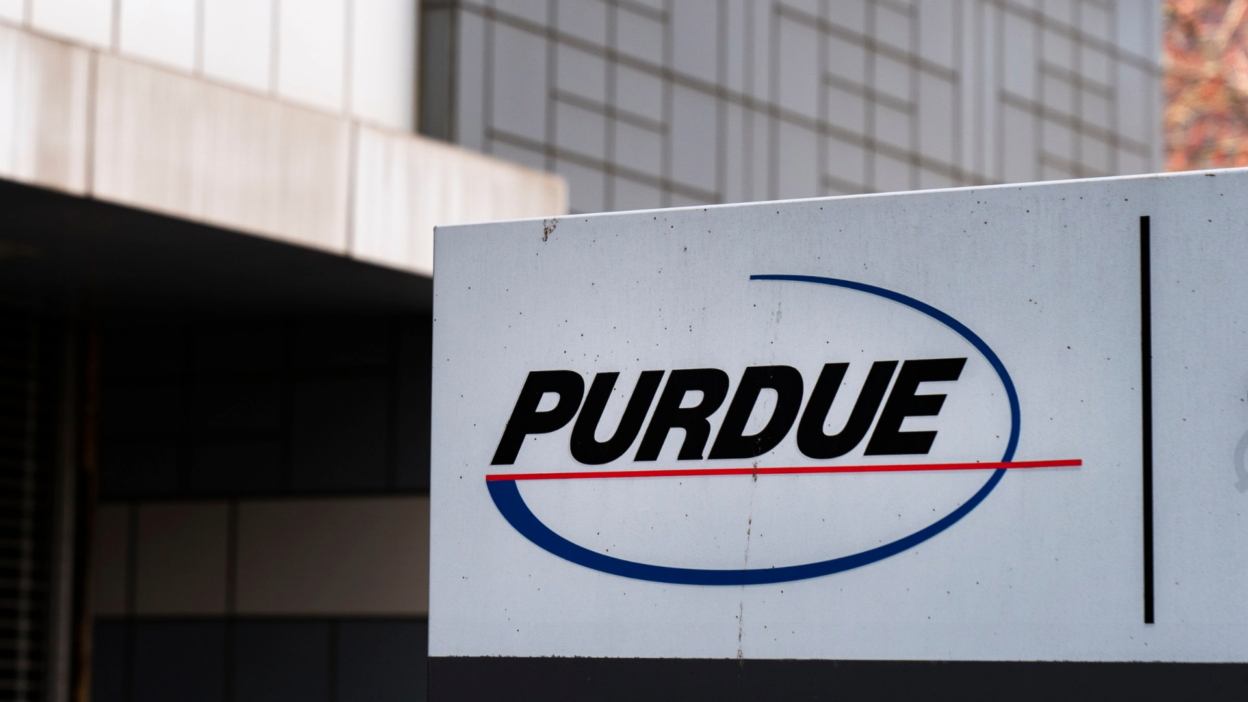
This week, one of the most consequential chapters in American pharmaceutical history ended. What comes next will define how this country uses the resources created by that closure, and pharmacists sit squarely in the center of that work.
What Happened on May 1, 2026
On May 1, 2026, Purdue Pharma shut down and permanently ceased operations as part of a bankruptcy plan secured by a bipartisan coalition of 55 attorneys general and other stakeholders. A new public benefit corporation, Knoa Pharma, LLC, began operating in its place, overseen by independent directors and trustees with no association with Purdue. All members of the Sackler family are barred from selling opioids in the United States and have no role in the new company.
This outcome didn’t arrive quickly or easily. The closure caps nearly a decade of work by attorneys general across the country pursuing investigations and litigation over Purdue’s and the Sacklers’ role in fueling the opioid crisis. After Purdue filed for bankruptcy in 2019, a multistate investigation led by New York Attorney General Letitia James and other state attorneys general drove the negotiations to their conclusion.
Three days earlier, in federal court in Newark, New Jersey, the criminal accounting arrived. Purdue Pharma was sentenced and ordered to pay criminal penalties of over $5 billion for its role in fueling the opioid epidemic. The court ordered a criminal fine of $3.544 billion assessed through bankruptcy proceedings and an additional $2 billion in criminal forfeiture.
According to court documents, from 2007 through 2017, Purdue illegally marketed its opioid products to hundreds of prescribers the company had good reason to believe were issuing prescriptions without a legitimate medical purpose. Purdue defrauded the DEA by misrepresenting the effectiveness of its programs designed to prevent illegal diversion, and used prescriptions written by problematic prescribers to justify fraudulent requests to the DEA to increase the amount of its products it was permitted to manufacture. To induce doctors to prescribe more of its opioid products, Purdue also paid kickbacks to prescribers through its doctor speaker program and to an electronic health record platform.
Acting Attorney General Todd Blanche put it plainly: “Purdue Pharma put profits over patient health and safety. The company willfully rejected the law and ignored the diversion of their highly addictive prescription drugs.”
What the Settlement Actually Means
The $7.4 billion settlement requires the Sackler family to pay more than $1.5 billion today, followed by approximately $500 million in May 2027, $500 million in May 2028, and $400 million in May 2029. Purdue is paying approximately $900 million today. Most settlement funds will distribute in the first three years.
The settlement prevents Knoa Pharma from marketing opioids and provides for an independent monitor to ensure it provides medicines in the safest possible manner that limits the risk of diversion. Purdue and the Sacklers are also required to make public more than 30 million internal documents related to their opioid business. The settlement delivers funding directly to communities across the country over the next 15 years to support opioid addiction treatment, prevention, and recovery programs.
Individual states are already receiving their allocations. California expects over $440 million. New Jersey has now secured more than $1.3 billion in opioid settlement funds in total. Nebraska is receiving $19.7 million. Connecticut anticipates its first payment in fall of 2026. Every state in the country is in line for settlement dollars, and those dollars carry a mandate: spend them on abatement.
The judge who presided over the sentencing said she hoped future corporate cases would be handled differently, so that wrongdoers do not receive the message that they can treat fines as “the cost of doing business.”
The Crisis Did Not End With the Company
Closing Purdue matters morally and legally. It does not close the epidemic.
The DEA administrator stated directly that Purdue’s conduct “fueled a surge in addiction” and that “the prescription opioid epidemic directly paved the way for today’s fentanyl crisis.”
Recent data suggest some improvement in overdose mortality rates, with expanded naloxone distribution, improved access to medications for opioid use disorder, and reductions in the illicit opioid supply all contributing. However, the United States still has a higher rate of overdose death than any other country in the world. Improvements in white populations alone have driven recent declines. The rate of opioid overdose death has increased in Black, American Indian or Alaska Native, and Hispanic populations. Sustained investment in evidence-based treatment and harm reduction is essential, especially in communities most burdened by addiction.
The opioid crisis in 2026 looks different than it did in 2012. Fentanyl, xylazine, and polysubstance combinations have transformed the clinical landscape. But the fundamental tools of harm reduction, naloxone, medication for opioid use disorder, risk screening, community linkage, remain the same. And the healthcare professional most likely to encounter a patient at risk is still the pharmacist.
Where the Settlement Money Goes And How Pharmacists Connect to It
Nine core abatement strategies govern how opioid settlement funds can be allocated, as described in settlement agreements. These include treating opioid use disorder, preventing over-prescribing and ensuring appropriate dispensing, distributing naloxone, connecting people to treatment, and supporting evidence-based harm reduction programs. States and localities have significant discretion in choosing specific programs, but settlement agreements encourage spending in these categories.
Naloxone distribution consistently receives priority in early settlement spending. Research confirms that increasing naloxone distribution in the community links to fewer overdose deaths. Permitting pharmacists to dispense naloxone directly, under their own authority, appears more effective in reducing opioid overdose deaths than dispensing models that did not grant pharmacists this authority.
Stakeholder interviews from communities receiving early settlement funds revealed that a significant portion of early spending targets naloxone, precisely because it produces impact quickly. As one community administrator described it: “It’s a quick thing that most counties and states have a quick way of procuring. It can make a difference very quickly versus finding a new treatment facility, which takes a long time to build, staff, and get people to use.”
That fast-impact, high-access naloxone model runs directly through the pharmacy counter. And the pharmacies with standing naloxone dispensing protocols, opioid risk screening tools embedded in their workflow, and documented community harm reduction partnerships will be the ones that county health departments, local abatement councils, and state public health offices call when they need a clinical partner for programs the settlement funds.
What This Means for the Pharmacy Profession Specifically
The criminal record now documents exactly what went wrong at the prescriber-manufacturer interface: illegal marketing to high-risk prescribers, kickbacks through speaker programs, and fraud at the DEA. The profession of pharmacy operates at the dispensing end of that same pipeline.
Pharmacies and pharmacists have already faced scrutiny in opioid-related litigation. Three large pharmacy chains collectively paid over $13 billion in settlements over their dispensing practices. The DEA has taken enforcement actions against pharmacies across multiple states. The era of supply chain accountability, from manufacturer through pharmacy, is not a future risk. It arrived years ago.
The profession’s answer to this accountability environment cannot be passive. Pharmacists who build clinical infrastructure around opioid risk, robust prescription drug monitoring program (PDMP) check protocols embedded in workflow, pharmacist-initiated naloxone co-dispensing, opioid risk tool (ORT) screening in high-risk patient populations, and structured community referral pathways to treatment, protect their patients, protect their practice, and position their pharmacy as a clinical resource rather than a dispensing liability.
The Knoa Pharma Chapter
Dr. Paul Rothman, chair of the Knoa Foundation’s board of trustees, stated that Knoa “is committed to providing care and saving lives most affected by the opioid crisis” and that its model “ensures that the company’s resources directly support public health.”
Knoa Pharma will continue manufacturing the medications Purdue produced, including abuse-deterrent opioid formulations, under independent oversight with an explicit public benefit mandate. The company cannot market opioids. An independent monitor will oversee its diversion prevention protocols. And excess revenue beyond operating expenses flows to state, local, and tribal governments for opioid abatement.
That structure doesn’t guarantee Knoa succeeds in its mission. It creates the conditions for accountability that Purdue systematically dismantled for two decades. What fills the space Purdue occupied will matter, at the manufacturer level, at the prescriber level, and at the dispensing level.
Your Action This Week
If your pharmacy does not have a standing naloxone dispensing protocol, build one now. Every state allows pharmacist-initiated naloxone dispensing under either standing order or statewide protocols. The clinical process takes minutes. The impact is immediate and documented.
Programs most likely to immediately and effectively reduce overdose rates include distributing naloxone, detecting fentanyl, connecting people to treatment, and addressing social determinants like housing. No single intervention achieves the 40% overdose reduction modeled by public health researchers, but naloxone distribution combined with treatment access and harm reduction consistently outperforms either approach alone.
Build the opioid risk tool into your workflow for chronic opioid patients. A validated five-item tool takes less than two minutes and opens the clinical door to a patient who may not raise the concern independently.
Contact your county health department and ask where settlement funds are going. Find out which community organizations they fund for naloxone distribution, treatment linkage, or harm reduction programming. Position your pharmacy as a clinical partner, not just a source of product, but a source of trained, licensed professionals who can screen, refer, dispense, and follow up.
The settlement money is flowing to communities. The pharmacies with clinical infrastructure in place will receive referrals. The ones without it will watch those referrals go elsewhere.
Purdue Pharma is gone. What comes next in opioid care is still being written. Pharmacists belong in that authorship.
Sources: New York Attorney General Press Release (Purdue Pharma Shutdown, May 1, 2026), Michigan Attorney General Press Release (Settlement Effective, May 1, 2026), Colorado Attorney General Press Release (May 1, 2026), Connecticut Attorney General Press Release (May 1, 2026), California Attorney General Press Release (May 1, 2026), U.S. Department of Justice Press Release (Purdue Pharma Sentencing, April 28–29, 2026), U.S. HHS Office of Inspector General (Purdue Sentencing Announcement), Fox Business / CNBC / Washington Times (Purdue $5.5 Billion Sentence Coverage), RAND Corporation (Strategies for Effectively Allocating Opioid Settlement Funds), Johns Hopkins Bloomberg School of Public Health / Opioid Settlement Principles (Primer on Spending Funds), American Journal of Managed Care (Local Implementation of National Opioid Settlements, 2026), Petrie-Flom Center, Harvard Law School (Opioid Settlement Funds Spending Analysis, 2025), National Academy for State Health Policy (State Opioid Settlement Spending Tracker), Wisconsin DHS (Opioid Settlement Fund Programs, FY2026)