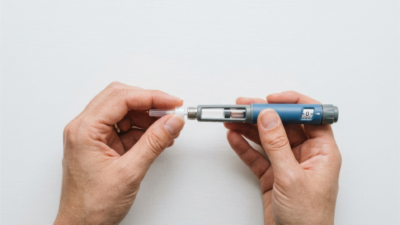


Personalized care, advanced therapies, and pharmacist guidance at home
Rethinking where complex care happens
If you had said a decade ago that today’s most advanced biologic medicines could be safely delivered and managed in the comfort of a patient’s home, most of us might have raised an eyebrow. Like many in healthcare, we’re trained to see hospitals and specialty clinics as the only places capable of handling these life changing, but often complicated, therapies.
But the landscape is shifting rapidly. Today, we’re seeing a bold rise in “Specialty-at-Home”, an approach where complex biologics, once limited to specialized centers, are delivered directly to patients. And critically, this isn’t just about delivery. It’s about comprehensive, pharmacist led monitoring that ensures safety, efficacy, and peace of mind.
What’s driving the shift to Specialty-at-Home?
Several factors are fueling this transformation:
- Patient preference for comfort and convenience: Most of us would prefer to recover or manage long term conditions at home, surrounded by family and familiar routines.
- Advances in telehealth and remote monitoring: Technology now allows pharmacists and clinicians to keep a vigilant eye on patients from afar, without sacrificing standards of care.
- Cost savings for patients and providers: Avoiding hospital stays and frequent clinic visits can dramatically lower expenses, freeing up resources for other needs.
- Better adherence and outcomes: When care is woven into daily life, and guided by the proactive outreach of a pharmacist, patients are simply more likely to stick with their regimen, report side effects, and achieve better health.
The pharmacist’s vital role: More than just a medicine expert
Let’s be clear, Specialty-at-Home doesn’t mean “set it and forget it.” These drugs can be powerful, with unique storage, administration, and monitoring needs. That’s where the pharmacist steps in, not just as a dispenser, but as an educator, coach, and vigilant partner.
Here’s a real-life scenario: A patient receives a box containing a biologic injection. Within hours, a pharmacist connects by video call, demonstrating proper technique, answering questions about side effects, and setting up a schedule for check-ins. Bloodwork and vital signs are tracked via smart devices, feeding data back to the pharmacist, who’s ready to intervene if anything looks out of the ordinary.
This model isn’t hypothetical. Organizations like Aspen RxHealth are pioneering pharmacist-led care, using digital platforms to coordinate everything from medication review to chronic disease management, all without leaving home (Muoio, 2022).
Real challenges and wise solutions
Of course, there are hurdles to clear:
- Can we ensure medication stability and safety in transit?
- Will patients have reliable access to internet and devices for remote care?
- How do we protect sensitive health data in a digital first system?
These are not trivial concerns. But with thoughtful policies, robust technology, and a relentless focus on patient experience, each is being addressed. In fact, many patients are already reporting higher satisfaction and improved health outcomes thanks to this approach.
Looking ahead: Are you ready to lead the conversation?
The rise of Specialty-at-Home challenges us to rethink what’s possible in healthcare delivery. It asks us to move beyond old boundaries, trust in the expertise of pharmacists, and trust patients to play a more active role in their care.
Many questions come to mind with these dramatic shifts in care:
- How could this model improve your patients’ quality of life?
- What support would your team need to make Specialty-at-Home successful?
- Where do you see the biggest opportunities, or risks?
Let’s deliver care where it matters most.
Muoio, D. (2022, October 26). Aspen RxHealth launches clinical pharmacy services platform. HIT Consultant. https://hitconsultant.net/2022/10/26/aspen-rxhealth-launches-clinical-pharmacy-services-platform